Comprehensive Guide to the Advantages of Rail Freight Transportation
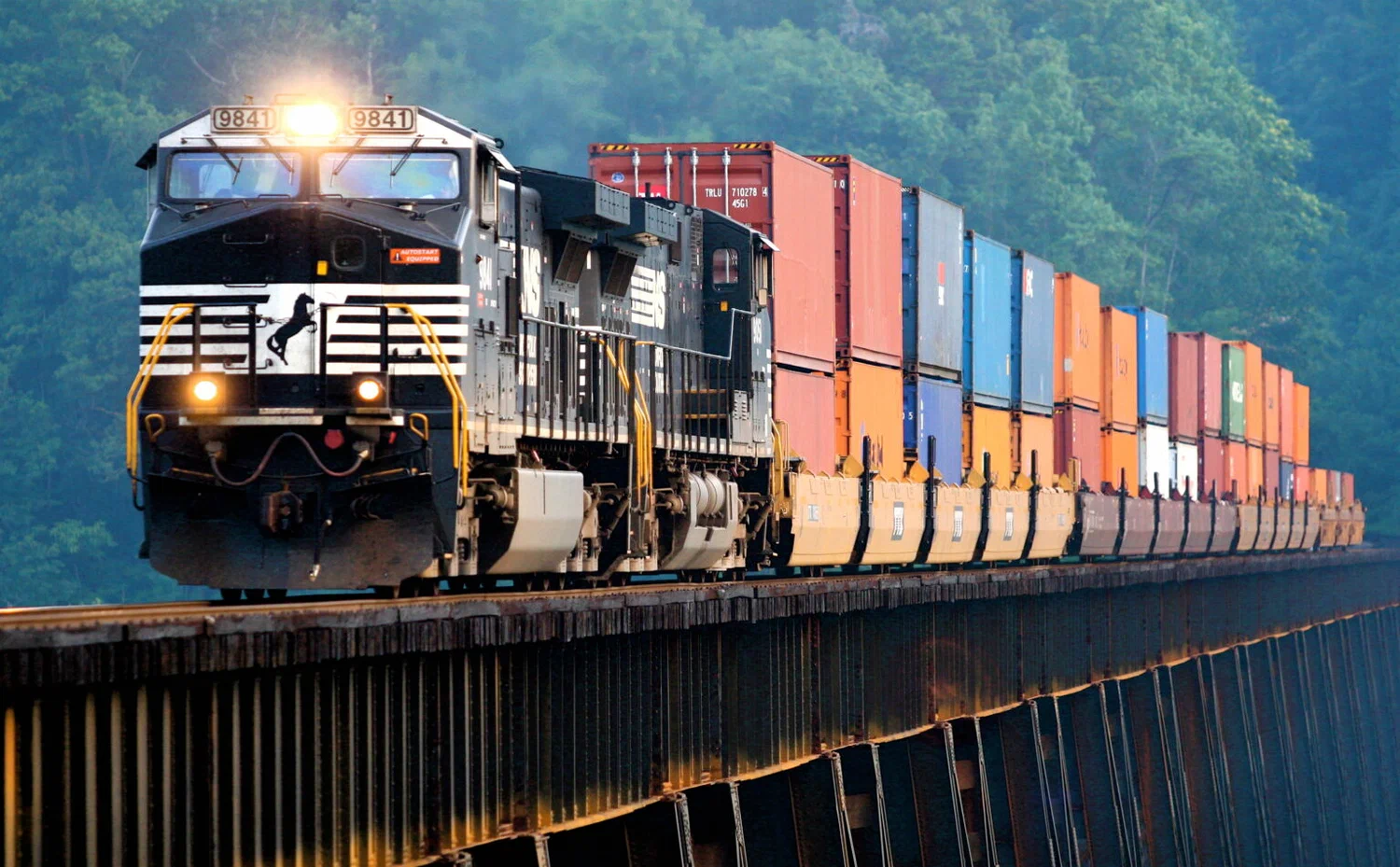 Rail freight transportation is one of the most efficient and cost-effective solutions for moving large volumes of goods over long distances. It plays an important role in modern logistics, particularly for transporting raw materials, construction products, agricultural commodities, industrial goods and other heavy or bulk cargo.
In addition to its high carrying capacity, rail freight can help businesses optimise transportation costs, improve supply chain efficiency and reduce the environmental impact of freight operations.
This guide explores the key advantages of rail freight transportation, compares rail with other freight modes, examines the industries that benefit from rail logistics and explains how businesses can maximise the efficiency of their rail freight operations.
What Is Rail Freight Transportation?
Rail freight transportation is the movement of goods by railway using specialised freight wagons and containers.It is particularly suitable for long-distance shipments and large volumes of cargo. Rail freight can connect different stages of the supply chain and provide a structured and reliable method for moving goods between terminals, distribution centres, production facilities and other destinations.
Modern rail logistics may also include freight documentation, customs procedures, cargo tracking, terminal handling and other supporting logistics services.
Key Advantages of Rail Freight Transportation
Cost-Effective for Long-Distance Shipping
One of the main advantages of rail freight is its cost efficiency when transporting large quantities of goods over long distances.A single freight train can carry numerous wagons and containers, allowing businesses to move significant volumes of cargo in one shipment. This can help reduce transportation costs, particularly for regular and high-volume shipments.
Integrating rail freight into a supply chain can therefore help companies optimise logistics budgets while maintaining efficient cargo movement.
Environmental Benefits
Rail freight is generally considered a more environmentally efficient mode of transportation than road freight for many long-distance and high-volume shipments.Moving large quantities of goods in a single train can reduce fuel consumption and emissions per unit of cargo. As businesses increasingly focus on reducing their carbon footprint, rail freight can become an important component of sustainable logistics strategies.
Reliability and Scheduled Delivery
Rail freight operates along established routes and schedules, making it easier for businesses to plan regular shipments.Consistent schedules can help companies coordinate production, inventory management, warehousing and distribution more effectively.
For businesses that depend on predictable cargo flows, reliable rail services can contribute to greater supply chain stability.
High Capacity for Bulk Cargo
Rail is particularly suitable for transporting heavy and high-volume cargo. A single train can carry multiple wagons and containers, making it possible to move large quantities of goods efficiently.This makes rail freight an attractive option for industries such as mining, manufacturing, construction, agriculture and other sectors that handle bulk materials.
Rail Freight Compared With Other Transportation Modes
Rail Freight vs. Road Freight
Road freight offers excellent flexibility and direct delivery options, particularly for short distances and smaller shipments.However, rail freight can be more cost-effective for large volumes of cargo transported over long distances. Rail is particularly suitable for stable routes and high-volume shipments, while trucks are often more practical for last-mile delivery and smaller loads.
For this reason, many logistics companies combine rail and road transportation as part of a multimodal transport strategy.
Rail Freight vs. Air Freight
Air freight is the fastest transportation option and is often selected for urgent or time-sensitive shipments. However, transporting large and heavy volumes by air can involve significantly higher costs.Rail freight provides a balance between transportation cost and delivery performance, making it a suitable option for businesses that need to move large quantities of goods over long distances while keeping logistics costs under control.
Industries That Benefit From Rail Freight
Construction Material Transportation
Construction projects often require large quantities of cement, steel, metals, aggregates and other materials to be delivered on schedule.Rail freight can provide an efficient solution for transporting construction materials over long distances. Effective planning and coordination can help reduce delays and optimise transportation costs.
Mining and Raw Material Transportation
The mining industry is one of the major users of rail freight. Materials such as coal, minerals, ores and metals can be transported in large quantities over long distances.High-capacity freight wagons allow mining companies to move large volumes of raw materials to processing plants, ports and other destinations efficiently.
Agricultural Products
Rail freight can also be an effective option for transporting agricultural commodities such as grain and other bulk products.Well-planned rail routes can support stable supply chains while helping businesses manage transportation costs for large-volume shipments.
Industrial and Manufacturing Goods
Manufacturers often need to transport raw materials, components and finished products in large quantities.Rail freight can support these operations by providing a reliable transportation solution that helps maintain consistent cargo flows throughout the supply chain.
How to Maximise the Benefits of Rail Freight
Choose the Right Logistics Provider
Selecting an experienced and reliable freight service provider is essential for successful rail transportation.When evaluating a logistics partner, businesses should consider experience, route coverage, cargo-handling capabilities, documentation support and the ability to manage customs and regulatory requirements.
Effective Planning and Scheduling
Accurate planning is one of the most important factors in efficient rail freight operations.Forecasting cargo volumes, coordinating shipment schedules with production plans and optimising routes can help reduce delays, avoid unnecessary costs and improve supply chain performance.
Regulatory Compliance
Compliance with transportation, safety, customs and environmental regulations is essential when moving goods by rail.Special attention should be given to hazardous or specialised cargo, where appropriate documentation, handling procedures and regulatory requirements must be followed.
The Future of Rail Freight Transportation
Technology is transforming the future of rail freight logistics. Modern tracking systems, real-time data, automation and predictive maintenance are helping companies improve efficiency, safety and visibility.Technological Innovation
GPS and advanced tracking technologies enable businesses to monitor shipments in real time. Data analytics can help identify potential delays, optimise routes and improve logistics planning.Automation and predictive maintenance can also reduce operational disruptions and improve the overall reliability of rail networks.
Expansion of Rail Networks
The development of new routes, terminals and logistics connections can improve access to markets and create more efficient freight corridors.Expanding rail infrastructure can also reduce pressure on road networks by shifting a greater volume of freight from trucks to rail.
Rail Freight and Sustainable Logistics
Rail freight is becoming increasingly important in sustainable logistics strategies because of its ability to move large volumes of cargo efficiently while reducing emissions per unit of freight.As businesses continue to focus on environmental targets and carbon reduction, rail transportation is likely to play an increasingly important role in the development of more sustainable supply chains.
Conclusion
Rail freight transportation provides an efficient, reliable and cost-effective solution for moving large volumes of goods over long distances.Its high capacity, competitive transportation costs, scheduled operations and environmental advantages make rail an attractive option for many industries, including construction, mining, agriculture and manufacturing.
By choosing the right logistics provider, implementing effective planning, optimising routes and using modern technology, businesses can maximise the benefits of rail freight and build more efficient and sustainable supply chains.
Quick price query!
Fill out the form to get a special price offer for the services.