What types of goods are best suited for container shipping?
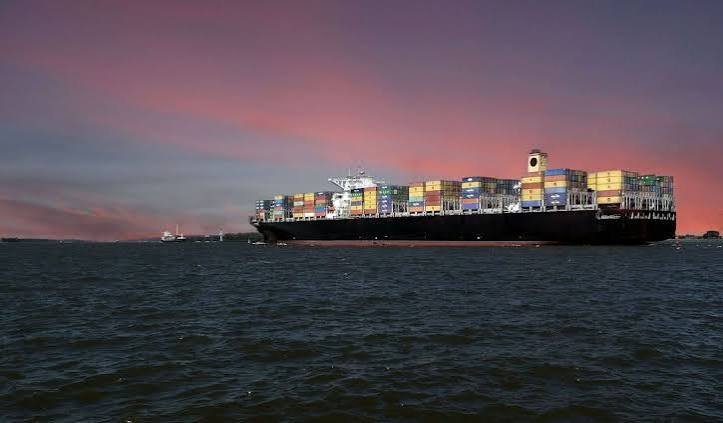
Containers are used worldwide to transport a wide range of goods across industries such as manufacturing, retail, agriculture, and construction. Commonly shipped products include raw materials, consumer goods, construction materials, specialized products, and agricultural and food products. Choosing the right type of container for each cargo is essential for safe, efficient, and cost-effective transportation.
What Products Can Be Transported by Container?
Because containers are available in different sizes and designs, they provide suitable solutions for transporting a wide variety of goods. Some of the most commonly transported products include:Raw Materials
Raw materials used across different industries represent an important part of containerized shipping. Containers are suitable for safely transporting high-value and large-volume raw materials.This category may include:
- Wood and wooden construction materials, which can be transported in dry containers.
- Galvanized steel coils, which may require reinforced containers for safe handling.
- Polypropylene fibers, commonly used in textile and industrial applications and often shipped in large quantities.
Consumer Goods
Consumer goods include products that are widely demanded by the retail and e-commerce sectors. These include furniture, electronics, health and beauty products, fitness equipment, and many other products.Although many consumer goods are relatively small, they are often shipped in large quantities. Therefore, sufficient container space and proper organization are important for safe transportation.
Construction Products
The construction industry relies heavily on container shipping to transport materials and equipment safely and efficiently.Construction products that can be transported in containers include:
- Engineered wood flooring
- Plywood
- Construction materials
- Heavy machinery and equipment
Specialized Products
Some products require special handling and additional protection during transportation. This is particularly important for fragile, sensitive, or high-value goods.Examples include:
- Porcelain and ceramic tiles
- Engineered wood flooring
- Automotive spare parts
- Electronics
- Gifts and toys
Agricultural and Food Products
The agricultural and food industries also rely heavily on container shipping to deliver products to international markets.Commonly transported products include fertilizers, animal feed, beverages, and various food products.
Products that require controlled temperatures can be transported in reefer (refrigerated) containers. Dry goods and products that do not require temperature control can generally be transported in standard dry containers.
Why Is Container Shipping Suitable for These Products?
The availability of different container sizes and designs makes container shipping a versatile transportation solution for various types of cargo.Common container options include:
- 20-foot containers – suitable for heavy but relatively compact cargo.
- 40-foot containers – ideal for larger-volume and bulky shipments.
- Reefer containers – designed for products that require temperature-controlled transportation.
How to Choose the Right Container for Your Cargo?
When using container shipping, the main goals are to protect the cargo and optimize transportation costs. Several important factors should therefore be considered.Container Size
20-foot and 40-foot containers are used for different cargo volumes.20-foot containers can be suitable for heavy and compact goods such as automotive parts, metal products, and tiles.
40-foot containers are more suitable for larger-volume goods such as furniture, consumer products, and other bulky cargo.
Specialized Containers
If the cargo requires specific transportation conditions, a specialized container may be more appropriate than a standard container.Reefer containers are used for food, beverages, pharmaceuticals, and other temperature-sensitive products. They help maintain the required temperature throughout transportation.
Open-top containers are suitable for oversized or tall cargo that cannot be loaded through standard container doors. Such cargo can be loaded from the top using cranes or other lifting equipment.
Flat-rack containers are designed for wide, tall, or irregularly shaped cargo. Heavy machinery, equipment, and large construction materials can often be transported using this type of container.
Why Are Packaging and Loading Important?
Although shipping containers have strong and durable structures, proper packaging and loading are essential for protecting cargo during transportation.To minimize cargo movement and reduce the risk of damage:
- Use pallets where appropriate.
- Secure cargo with straps.
- Use protective packaging for fragile products.
- Minimize unnecessary empty spaces inside the container.
- Stack goods safely and securely.
- Make sure the total cargo weight is within the container's permitted capacity.
Conclusion
Container shipping is a practical transportation solution for a wide range of products, from raw materials and consumer goods to construction materials, agricultural products, and specialized cargo.The most important considerations are choosing the right container size and type according to the characteristics of the cargo, as well as ensuring that packaging and loading are carried out properly. With the right approach, containerized shipping can provide a safe, efficient, and cost-effective solution for international freight transportation.
Quick price query!
Fill out the form to get a special price offer for the services.