How to Choose the Right Mode of Transport for Your Cargo
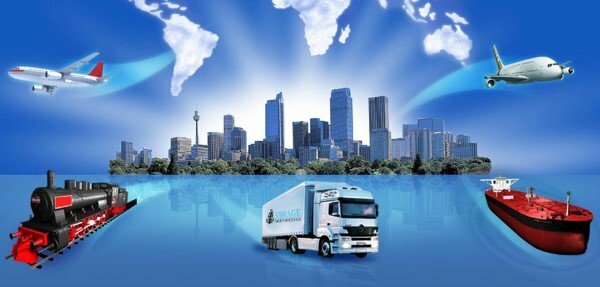 Choosing the right mode of transport is one of the most important decisions in domestic and international logistics. The right choice directly affects transportation costs, delivery times, cargo safety, and the overall efficiency of the supply chain.
Many businesses focus only on freight costs when selecting a transportation method. However, other factors such as cargo volume, weight, urgency, product characteristics, and final destination must also be considered.
In this article, we explore the key criteria for selecting the most suitable transportation mode for different cargo requirements.
There Is No Single Best Mode of Transport for Every Shipment
Every shipment has different requirements. While some businesses prioritize cost-effective transportation for large volumes of goods, others need fast delivery to maintain production schedules or meet customer demands.For this reason, the following factors should be carefully evaluated before choosing a transportation method:
- Cargo volume and weight;
- Required delivery time;
- Transportation costs;
- Origin and destination;
- Type and characteristics of the goods;
- The need to combine different modes of transport.
Full Container Load: An Efficient Choice for Large Shipments
FCL, or Full Container Load, is suitable when cargo occupies a significant portion or the entire capacity of a container. In this model, the container is dedicated exclusively to one customer's shipment.FCL transportation provides greater operational predictability and can reduce the number of cargo handling operations during transit. This makes it a suitable option for large volumes of goods and shipments requiring additional protection.
Key advantages include:
- Cost efficiency for large cargo volumes;
- Greater control over the loading process;
- Fewer cargo handling operations;
- Improved protection and security during transportation.
Less than Container Load: Flexibility for Smaller Shipments
Not every shipment requires a dedicated container. LCL, or Less than Container Load, allows multiple customers to share space within the same container and divide transportation costs.This option is particularly useful for businesses shipping small or medium-sized cargo volumes. Companies can send their goods without waiting to accumulate enough cargo to fill an entire container.
The main benefits of LCL transportation include:
- Lower costs for smaller shipments;
- Greater flexibility in shipping schedules;
- Reduced inventory requirements;
- More frequent shipping opportunities.
Air Freight: When Delivery Speed Matters Most
When delivery time is a top priority, air freight is often one of the most suitable transportation options.Air transportation is commonly used for high-value goods, perishable products, urgent equipment, spare parts, and other time-sensitive shipments.
Although air freight is generally more expensive than maritime transportation, its speed can help businesses avoid production delays, supply interruptions, and missed deadlines.
Air freight is recommended when there is a need for:
- Urgent deliveries;
- Short transit times;
- Transportation of high-value goods;
- Frequent shipments.
Road Transportation: Connecting Every Stage of the Supply Chain
Road transportation plays a fundamental role in logistics operations. It does more than simply transport goods from one location to another; it connects factories, warehouses, ports, airports, and final customers.In addition to pickup and delivery services, road transportation enables the integration of different modes of transport in multimodal logistics operations.
Efficient supply chains often depend on the proper coordination of road, maritime, and air transportation.
How to Determine the Right Mode of Transport for Your Operation
Before making a decision, businesses should consider the following questions:- How much time is available for delivery?
- Does the cargo volume require a dedicated container?
- Is cost or delivery speed the main priority?
- Does the cargo require special handling or protection?
- Is there a need to combine different transportation modes?
Conclusion
Choosing the right mode of transport is a critical decision that directly affects the efficiency of logistics operations. By considering cargo volume, delivery deadlines, budget, security requirements, and destination, businesses can develop a transportation strategy that best meets their needs.A well-planned logistics approach helps companies optimize transportation costs, minimize delays, and improve the overall efficiency of their supply chain.
Quick price query!
Fill out the form to get a special price offer for the services.