The Importance of Warehousing and Cargo Handling for Shipping Companies
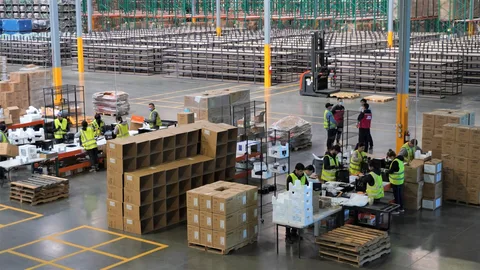 Warehousing and cargo handling operations are among the most important components of any company providing shipping and logistics services. The efficiency of these companies depends directly on their ability to receive, inspect, store, prepare, and manage goods accurately.
These processes not only ensure the smooth movement of products but also contribute to reducing errors and losses, optimizing operational costs, improving service quality, and increasing customer satisfaction.
What Is Warehousing and Why Is It Important for Shipping Companies?
Warehousing is the process of storing goods safely and systematically for a specific period. Its primary purpose is to ensure the continuous availability of products, protect goods from damage, and enable efficient inventory management.Effective warehouse management makes it easier to track products, prepare orders, and prevent delays throughout the logistics process.
Types of Warehouses Used by Shipping and Logistics Companies
1. Public Warehouses
Public or rented warehouses provide a flexible storage solution for businesses with short-term or long-term storage needs.They are particularly suitable for small businesses and seasonal customers. Their main advantages include lower initial investment requirements and relatively low operating costs.
2. Private Warehouses
Private warehouses provide complete control over inventory and operational procedures. They are suitable for businesses that require dedicated storage space, specialized conditions, or enhanced security measures.However, establishing and operating a private warehouse generally requires a larger investment.
3. Refrigerated Warehouses
Refrigerated warehouses are designed for temperature-sensitive products such as fresh food, pharmaceuticals, and other perishable goods.These facilities use specialized cooling systems and precise temperature control to maintain product quality and safety.
4. Automated Warehouses
Automated warehouses rely on modern technologies such as robots, conveyor systems, and automated storage equipment.These systems improve operational efficiency, reduce human errors, and provide faster inventory management for companies handling large volumes of goods.
RFID and barcode technologies also help track products accurately and improve the speed of warehouse operations.
What Is Cargo Handling?
Cargo handling includes all activities carried out within a warehouse, from receiving goods to preparing them for shipment.These activities include:
- Receiving and inspecting goods;
- Storing and distributing products within the warehouse;
- Sorting and grouping shipments;
- Picking and preparing orders for transportation.
The Main Stages of Cargo Handling
1. Receiving and Inspecting Goods
The first stage of cargo handling is checking the quantity and condition of incoming goods. This includes verifying whether the products meet the required specifications and match the order details.Recording information in inventory management systems helps ensure accurate product tracking.
2. Using Modern Material Handling Equipment
Forklifts, conveyor belts, trolleys, platforms, and other equipment help move goods safely and efficiently within warehouses.In larger facilities, robotic technologies and automated storage systems can further improve operational performance.
RFID and barcode systems allow businesses to track goods accurately and speed up internal warehouse movements.
3. Inventory Management
Accurate inventory management allows businesses to monitor stored product quantities and conditions.Regular inventory checks help prevent losses, improve stock planning, and support faster and more informed operational decision-making.
4. Order Picking and Preparation
Order picking involves collecting products from the warehouse according to customer orders and preparing them for shipment.Depending on the operation, products may be collected individually for separate orders or grouped and processed simultaneously. Digital systems, barcodes, and RFID technologies help reduce errors and improve efficiency.
5. Sorting Before Shipment
Goods are sorted according to their destination, product type, or order size.This process can be performed manually or with the help of automated sorting systems.
6. Final Inspection and Shipment Preparation
Before goods are dispatched, orders must be checked for accuracy, product quality, and proper packaging.Preparing shipping information and ensuring that all necessary documentation is available also contribute to the safe and timely delivery of cargo.
The Main Benefits of Efficient Cargo Handling
Effective cargo handling provides several important advantages, including:- Increased warehouse operational speed and efficiency;
- Reduced errors and losses during storage and transportation;
- Optimized operational costs;
- Better use of available warehouse space;
- Faster and more accurate order delivery.
How to Choose the Right Warehouse for a Shipping Company
Several important factors should be considered when selecting a warehouse according to customer and operational requirements.Product Type and Size
Large or fragile goods may require specialized equipment and storage conditions.Inventory Turnover
Fast-moving products should be stored in warehouses that provide easy access and efficient handling.Special Storage Requirements
Products requiring temperature control, enhanced security, or other specific conditions need suitable storage facilities.Budget
The decision between renting a public warehouse and investing in a private facility should be based on the company's financial resources and operational needs.Contract Flexibility
The ability to expand or reduce storage space according to changing requirements is an important advantage for long-term logistics planning.Geographical Location
A warehouse located close to customers, suppliers, and major transportation networks can help reduce delivery times and transportation costs.Technical Support
Modern inventory management systems and digital platforms make it easier to monitor products and control warehouse operations.Conclusion
Effective warehousing and cargo handling management are essential for the successful operation of shipping and logistics companies.Choosing the right warehouse and implementing efficient storage processes can improve service quality, speed up order preparation, reduce operational errors, and optimize costs.
By adopting modern technologies, automation, and intelligent inventory management systems, logistics companies can provide safer, faster, and more reliable warehousing and shipping services that meet the needs of their customers.
Quick price query!
Fill out the form to get a special price offer for the services.