Safety measures to ensure cargo integrity during loading and transportation
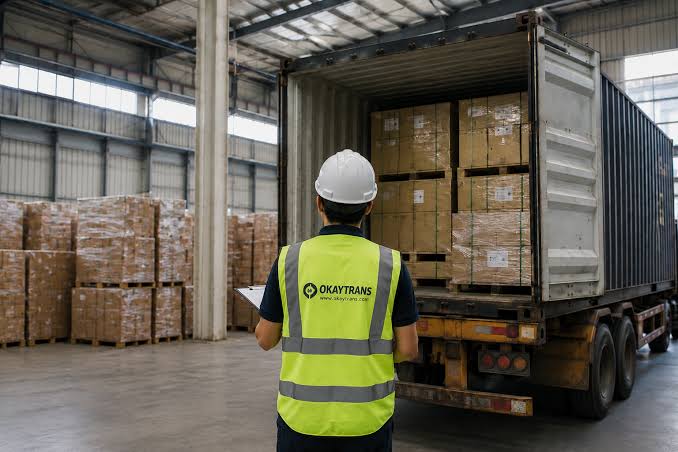
Safety in logistics management has a direct impact on a company’s competitiveness and has therefore become one of the key priorities in corporate strategies.
Cargo theft, as well as product damage caused by accidents or improper handling during storage and transportation, can result in significant financial losses for companies involved in the supply chain. Such incidents can also lead to delays in manufacturing and commercial operations.
For this reason, safety is one of the key factors in ensuring efficient and reliable logistics management. The goal is to identify potential risks and threats, reduce their impact, and implement measures that protect cargo and ensure its proper handling throughout the supply chain.
Key Criteria for Ensuring Cargo Safety
A logistics security plan should be developed and implemented based on the following eight key criteria, applicable to both domestic and international trade:
1. Choose a Reliable Logistics Partner
Work with a warehouse or transportation service provider that has robust and modern security systems. The logistics partner should enable you to track cargo at every stage and receive timely information about transportation and delivery.
2. Implement Measures to Protect Cargo Integrity
Use security seals and locks to prevent unauthorized access or tampering with cargo. Containers and freight vehicles should also be inspected regularly to identify potential security risks.
3. Verify Staff and Control Access
Check the credentials and backgrounds of warehouse and transportation personnel. Implement employee identification systems to ensure that only authorized individuals can access loading and unloading areas.
4. Use Technology
Standardize logistics management through technological solutions that allow companies to accurately record and monitor the loading, storage, handling, and transportation of goods.
5. Verify Documentation
Make sure that every shipment is accompanied by clear, accurate, and complete documentation. Proper documentation helps prevent delays, errors, and problems during transportation and delivery.
6. Strengthen Security in Loading and Storage Areas
Use CCTV cameras for continuous monitoring, clear and visible warning signs, fire extinguishers, and other appropriate safety equipment in loading, unloading, and storage areas.
7. Implement Digital Security Policies
Develop digital security procedures to protect the information systems used for cargo registration, tracking, and logistics management.
8. Provide Regular Staff Training
Train employees on cargo security and safety procedures so they can identify potential threats at an early stage and take appropriate action to prevent or resolve them.
Key Areas to Focus On
To protect cargo and maintain its integrity throughout the supply chain, particular attention should be given to three key areas.
Cargo Protection
During storage and transportation, it is essential to prevent theft, product loss, and damage caused by improper loading, unloading, handling, or storage.
Logistics security systems can include barcode labels, electronic identification devices, and scanners that record goods entering and leaving warehouses. These technologies make it possible to monitor cargo throughout its route and verify deliveries in real time.
Security seals can also be used to detect unauthorized opening or tampering during transportation.
For perishable goods, temperature sensors play an important role. They help monitor whether products are being stored and transported under the required temperature conditions.
Improper handling during loading, unloading, and cargo placement can result in additional costs and delivery delays. Special sensors installed on packaging can provide alerts when cargo is subjected to excessive impact or rough handling, helping identify potential product damage.
Theft and Accidents
One way to protect cargo is to take preventive measures against potential risks. This may include cargo theft and accident insurance.
Insurance can help companies reduce financial losses caused by unexpected events and risks that may occur during cargo storage and transportation.
International cargo insurance may cover risks such as total loss, certain types of damage, and salvage costs, depending on the terms of the policy. For an additional fee, some insurance providers may also cover specific risks that are excluded from the standard policy.
When an incident occurs, the insurance provider may process compensation after responsibility has been established and the appropriate compensation amount has been determined. Companies may need to provide a detailed incident report together with supporting documentation confirming the losses.
In addition, companies should continuously monitor cargo along its route and regularly improve their risk-prevention strategies and procedures.
Logistics Security Systems
Logistics security systems include technologies designed to simplify cargo registration and monitoring, protect goods and warehouse facilities, and enable real-time cargo tracking during transportation.
From GPS systems installed in transportation vehicles to smart barcode labels, logistics security technologies help companies monitor cargo movement, identify potential threats quickly, and respond to security incidents more effectively.
Common technological solutions include:
RFID systems – used for automatic identification and tracking of products and shipments;
GPS real-time tracking systems – used to monitor the location and route of vehicles and cargo;
Biometric identification systems – used to control access to facilities and restricted security areas;
Intrusion detection systems – used to identify unauthorized access and tampering;
Fire detection systems – used to detect fire hazards at an early stage and enable a rapid response.
Conclusion
Strengthening logistics security is essential for protecting cargo integrity, reducing financial losses, and maintaining an uninterrupted supply chain.
An effective security system should not be limited to the transportation stage. It should cover the entire logistics process, including loading, storage, customs procedures, transportation, and final delivery.
In this regard, establishing a strategic partnership with a logistics company that has the necessary knowledge, experience, and technological resources can help businesses develop security solutions tailored to their specific needs, reduce potential risks, and ensure that cargo reaches its destination safely and securely.
Quick price query!
Fill out the form to get a special price offer for the services.