Key Factors Affecting Freight Delivery Times
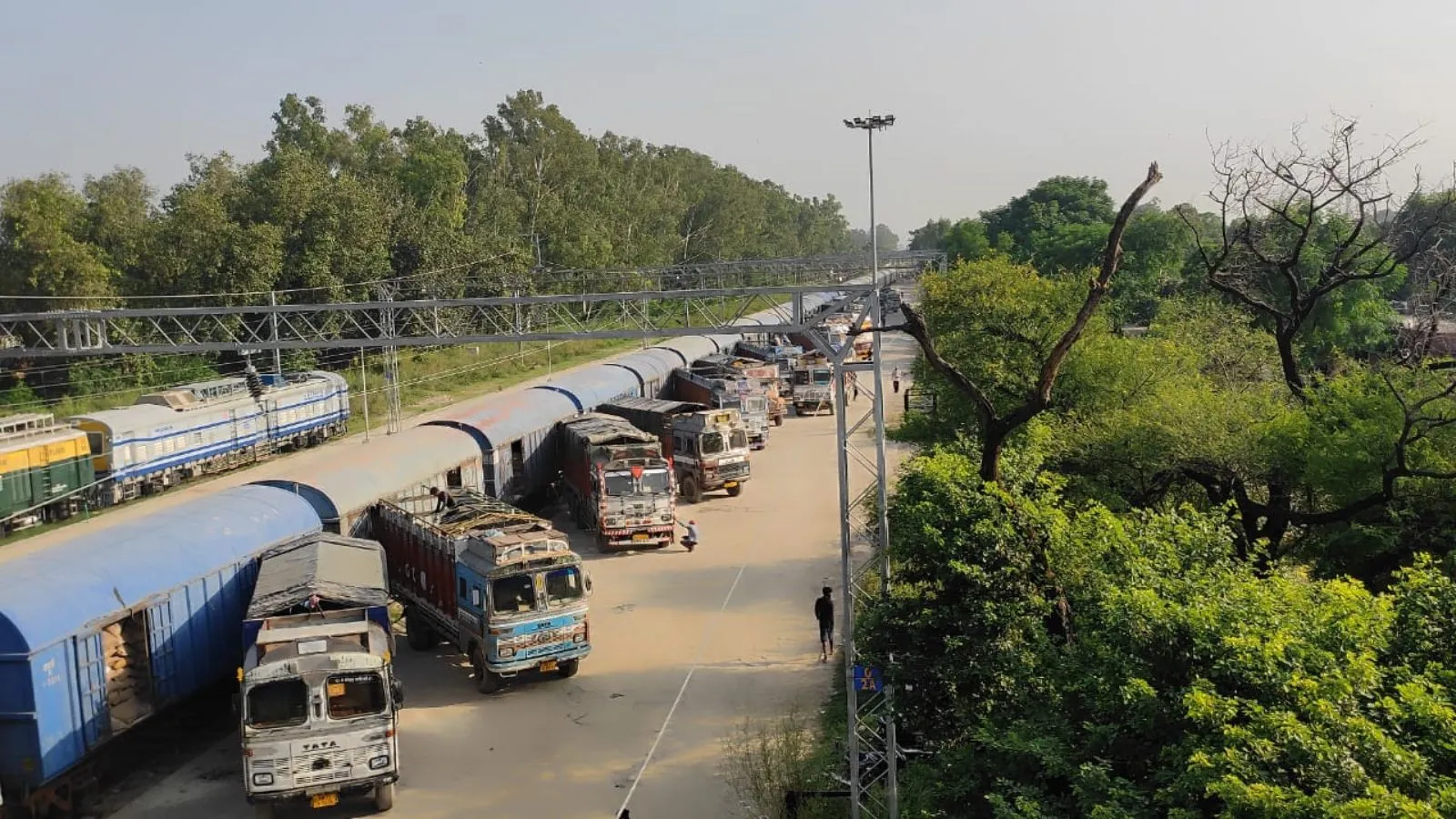 Freight transit time is one of the most important factors in logistics planning. It can affect inventory availability, production schedules, customer commitments, warehouse operations and overall transportation costs.
Transit time is often understood simply as the period during which cargo is moving by air, sea, road or rail. In reality, the overall delivery timeline includes many additional stages, such as cargo pickup, documentation, customs clearance, terminal handling and final delivery.
Understanding the factors that influence freight transit time helps businesses plan more accurately, reduce potential delays and choose the most appropriate transportation solution.
1. Transportation Mode
The selected transportation mode has a direct impact on delivery time.- Air freight is suitable for urgent, high-value and time-sensitive cargo.
- Sea freight is generally suitable for large-volume and less time-sensitive shipments.
- Road freight is widely used for domestic and regional transportation and final delivery.
- Rail freight can be an effective solution for long-distance inland transportation and large shipments.
- Multimodal transportation combines different modes to balance time, cost and operational requirements.
2. Distance and Route Complexity
Distance is an important factor, but route complexity can be equally significant. Direct routes generally involve fewer transfers and handling points, while routes with multiple terminals, ports, airports or carriers may increase the possibility of delays.When planning a route, businesses should consider the distance from the supplier to the port or airport, direct or transit services, the number of carrier handoffs, terminal and warehouse connections, and the distance from the destination point to the final delivery address.
3. Supplier Readiness
Delays can sometimes occur before cargo is handed over to the carrier. Production delays, incomplete documentation, packaging issues or incorrect labeling may cause a shipment to miss its planned departure.It is therefore important to confirm production completion dates, packaging schedules, inspection requirements, commercial invoices, packing lists, export documentation, pickup arrangements and terminal or airport cut-off times in advance.
4. Port and Terminal Congestion
Congestion at ports and terminals can significantly increase transit time. Even if a vessel arrives on schedule, the cargo may not be immediately available for collection.Discharge operations, terminal processing, customs procedures, container availability and inland transportation arrangements can all require additional time.
5. Customs Clearance and Documentation
Customs procedures can have a major impact on freight transit time. Accurate and complete documentation helps reduce unnecessary delays during customs clearance.Common documentation problems include incorrect commercial invoice information, incomplete packing lists, inaccurate product descriptions, incorrect tariff classifications, missing certificates and late submission of required documents.
Preparing customs documentation before the cargo arrives can help reduce clearance delays.
6. Weather and Seasonal Conditions
Severe weather conditions such as storms, heavy rain, snow, fog and flooding can affect air, sea, road and rail transportation.Seasonal demand can also influence delivery times. Holidays, peak shipping periods and increased demand may reduce available transportation capacity and lead to longer transit times.
7. Carrier Schedules and Reliability
Carrier schedules represent planned transit times, but changes can occur during transportation. Flight or vessel schedule changes, cargo rollovers, transit delays and operational issues can affect the final delivery date.For this reason, businesses should consider not only the shortest advertised transit time but also service frequency, route stability and available alternatives when selecting a carrier.
8. Inland Transportation and Final Delivery
The logistics process does not end when cargo reaches a port or airport. Additional transportation may be required to move the shipment to a warehouse or final delivery address.Limited trucking capacity, warehouse congestion, delivery appointment availability, driver waiting times and incorrect delivery information can all cause delays during the final stage.
9. Cargo Characteristics
The type and characteristics of the cargo can also affect delivery time. Certain shipments require additional handling, documentation or safety procedures.These may include temperature-controlled cargo, dangerous goods, oversized or heavy shipments, high-value cargo and products requiring special permits or certificates.
Such shipments should be planned in advance to ensure that all handling and regulatory requirements are properly addressed.
10. Shipment Tracking and Technology
Modern tracking systems help businesses monitor shipments throughout different stages of transportation and identify potential delays earlier.Effective shipment visibility can provide information about cargo pickup, departure, transit status, arrival, customs clearance, cargo availability and final delivery scheduling.
Accurate information and timely communication allow logistics teams to respond more quickly when unexpected issues occur.
Conclusion
Freight transit time depends on much more than transportation distance and the selected mode. Documentation, customs clearance, route complexity, weather conditions, terminal congestion, cargo characteristics and final delivery arrangements can all influence the overall timeline.Considering these factors in advance helps businesses plan their logistics operations more effectively, reduce potential delays and improve the reliability of freight delivery.
Quick price query!
Fill out the form to get a special price offer for the services.