Advantages of Air Freight and Which Types of Cargo It Is Suitable For
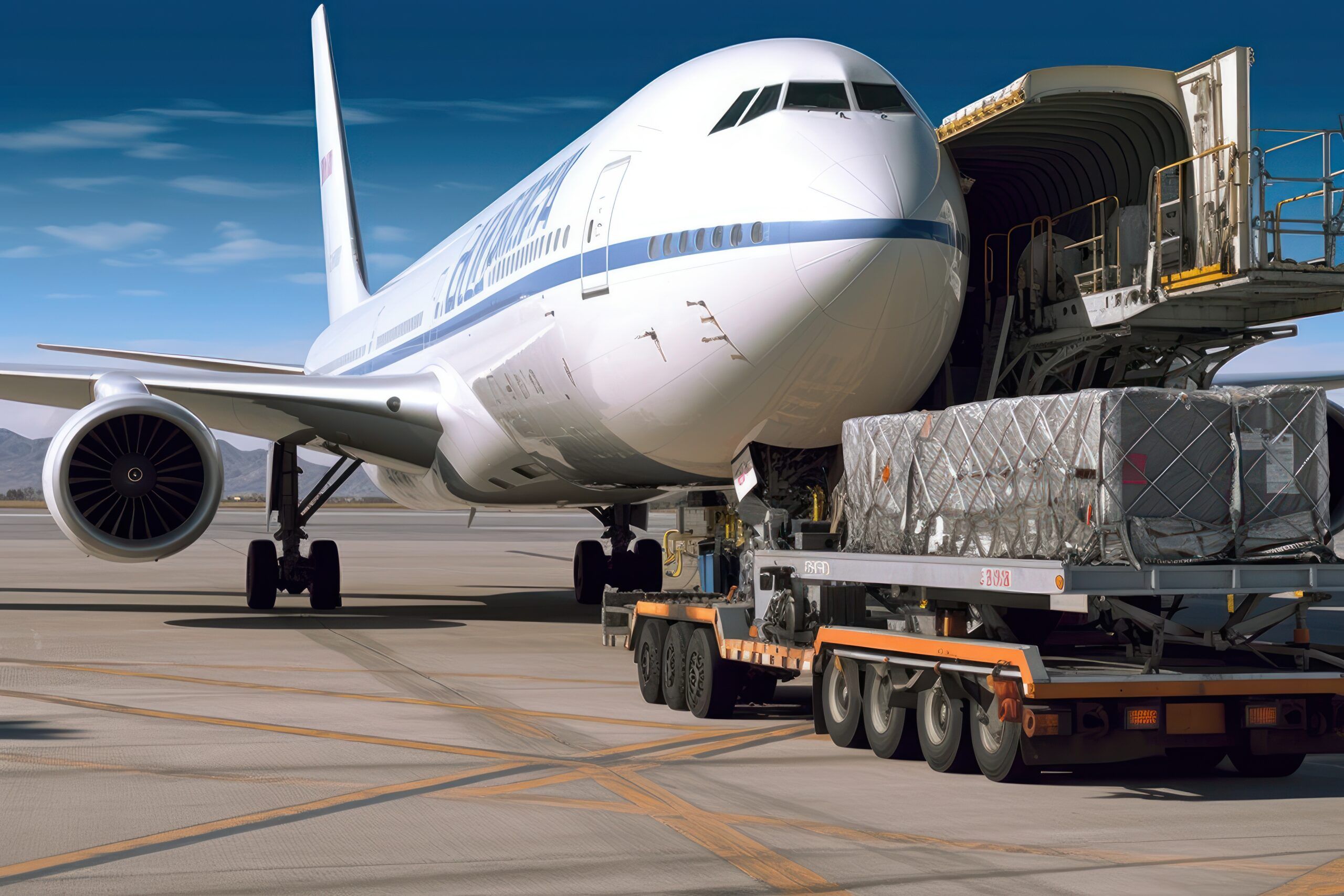 Air freight is one of the fastest transportation solutions in international logistics. It is particularly suitable for time-sensitive, high-value and urgent shipments that need to reach their destination quickly.
In addition to fast delivery, air freight offers high levels of security and shipment tracking. However, this transportation method also has certain limitations, including higher costs and restrictions on cargo weight and volume.
For this reason, businesses should consider both the advantages and limitations of air freight before choosing it as a transportation solution.
Advantages of Air Freight
1. Fast and Efficient Delivery
The main advantage of air freight is speed. Compared with many other transportation methods, air transport allows cargo to travel long distances within a shorter period of time.This is particularly important for:
- Perishable food products;
- Pharmaceuticals and medical supplies;
- Electronics and high-value goods;
- Urgent spare parts;
- Time-sensitive commercial shipments.
2. Global Reach
Air freight provides access to a wide range of international destinations through an extensive network of airports.This is especially useful for companies operating in international markets, sourcing products from different countries or requiring fast deliveries to overseas customers.
3. Reliable and Predictable Transportation
Regular flight schedules can make air freight easier to plan. Businesses can organize delivery schedules, inventory levels and supply chain operations more effectively.Scheduled flights can help companies:
- Estimate delivery times more accurately;
- Plan inventory and warehouse operations;
- Manage urgent orders;
- Reduce disruptions in the supply chain.
4. High Level of Security
Airports operate under strict security and cargo handling procedures. These measures can help reduce the risk of theft, loss and cargo damage.Modern shipment tracking systems also allow businesses to monitor cargo throughout different stages of transportation.
5. Reduced Inventory and Warehousing Requirements
Fast delivery can reduce the need to maintain large inventory levels. Products can be replenished more quickly, allowing businesses to manage stock more flexibly.This can be particularly useful for products with frequent demand fluctuations or short replenishment cycles.
Limitations of Air Freight
Despite its advantages, air freight also has several limitations that should be considered.1. Higher Transportation Costs
One of the main disadvantages of air freight is its higher cost compared with many other transportation methods.Factors contributing to higher costs include:
- Fuel expenses;
- Limited aircraft cargo capacity;
- Security and handling charges;
- Cargo weight and dimensions.
2. Weight and Volume Restrictions
Aircraft have limited cargo capacity, which can make air freight less suitable for heavy or oversized shipments.In some cases, shipping costs are calculated based not only on actual weight but also on the dimensional volume of the cargo. Therefore, both weight and dimensions should be considered before booking a shipment.
3. Environmental Impact
Air transportation can generate higher carbon emissions compared with some other freight transportation methods.As demand for more sustainable logistics continues to grow, the industry is exploring alternative aviation fuels and other approaches to reduce the environmental impact of air freight.
4. Dependence on Airport Infrastructure
Air freight depends on airport infrastructure and cargo handling capacity. Congestion at major airports, changes to flight schedules and other operational issues can result in delays.For some destinations, air transportation may also need to be combined with road freight to complete the final delivery.
Which Types of Cargo Are Suitable for Air Freight?
Air freight is generally most suitable when speed and timely delivery are important.It can be an appropriate option for:
- Urgent shipments;
- High-value goods;
- Electronics and technology products;
- Pharmaceuticals and medical supplies;
- Perishable products;
- Lightweight and relatively small shipments;
- Urgent spare parts;
- Commercial goods with strict delivery deadlines.
Conclusion
Air freight offers significant advantages in terms of speed, security and international connectivity. At the same time, higher costs, weight and volume restrictions and environmental considerations should be taken into account.When selecting a transportation method, businesses should consider the type of cargo, required delivery time, distance, budget and security requirements. When properly planned, air freight can provide a fast and efficient solution for international supply chains.
Quick price query!
Fill out the form to get a special price offer for the services.