How to Choose the Right Freight Transportation Mode for Your Cargo
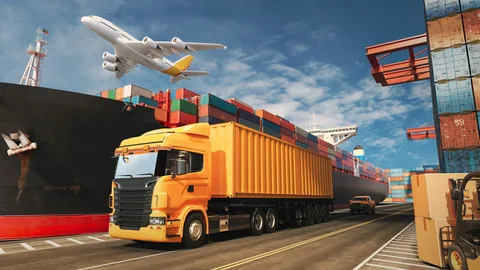 Choosing the right transportation mode is one of the key factors in ensuring efficient and reliable cargo delivery. The selected transportation method directly affects delivery time, transportation costs, cargo safety and the overall efficiency of the logistics process.
Different types of cargo require different transportation solutions. When selecting the most suitable option, it is important to consider the characteristics and volume of the cargo, destination, budget, required delivery time and specific transportation requirements.
What Factors Should Be Considered When Choosing a Freight Transportation Mode?
Several important factors should be evaluated before selecting a transportation method:- Type and characteristics of the cargo – the size, weight, sensitivity and special handling requirements of the goods;
- Cargo volume and weight – different transportation modes are suitable for different shipment sizes;
- Delivery time – how quickly the cargo needs to reach its destination;
- Transportation budget – the impact of the selected mode on overall logistics costs;
- Route and distance – the distance between the origin and destination and the available transportation options;
- Cargo safety – the need to protect goods and minimise transportation risks;
- Customs and logistics procedures – documentation and customs requirements for international shipments.
Air Freight
Air freight is a suitable option when fast delivery is a priority. It is particularly useful for urgent, high-value and relatively small shipments that need to be transported over long distances within a short period.The main advantages of air freight include:
- Fast delivery;
- Efficient transportation over long distances;
- Extensive international connectivity;
- Suitability for time-sensitive cargo.
Sea Freight
Sea freight is widely used for transporting large volumes of cargo across international routes. Its high capacity makes it a practical and cost-efficient option for heavy and large-volume shipments.Sea transportation is particularly suitable when delivery does not need to be completed within a very short timeframe.
Its main advantages include high capacity, extensive international coverage and the ability to transport large quantities of cargo.
Rail Freight
Rail freight provides a reliable solution for transporting medium and large volumes of cargo over long distances. It can be particularly suitable when large quantities of goods need to be transported along established routes.The key advantages of rail freight include:
- High cargo capacity;
- Suitability for long-distance transportation;
- Reliable and structured transportation schedules;
- A potentially more cost-effective alternative to air freight on certain routes.
Road Freight
Road freight plays an important role in logistics due to its flexibility and direct delivery capabilities. It is particularly suitable for short and medium-distance transportation and for shipments that need to be delivered directly to the destination.One of the major advantages of road transportation is the possibility of door-to-door delivery. Flexible route and delivery-time planning also makes road freight a practical solution for many businesses.
Multimodal Transportation
For some shipments, using a single transportation mode may not be the most efficient solution. In such cases, multimodal transportation can be used, combining two or more transportation modes within the same logistics process.For example, cargo can be transported by sea for one part of the journey and then transferred to road or rail transportation. This approach can help combine the advantages of different transportation modes while optimising both delivery time and costs.
How to Determine the Most Suitable Transportation Mode?
The most suitable transportation option should not be determined based on a single factor. For example, air freight may be appropriate for a small shipment requiring urgent delivery, while sea or rail freight may be more suitable for large-volume cargo.It is also important to consider customs procedures, warehousing and final-mile delivery when planning the transportation process. A comprehensive logistics approach helps ensure that cargo is properly managed at every stage of its journey.
Conclusion
Choosing the right freight transportation mode has a direct impact on the efficiency and reliability of the logistics process. Cargo characteristics, volume and weight, delivery time, route, budget and safety requirements should all be considered before making a decision.Global Logistics Services (GLS) provides freight transportation by road, rail, air and sea, as well as customs and warehousing services. By applying an individual approach to each customer, GLS takes into account the specific characteristics of the cargo and the customer's requirements when organising suitable logistics solutions.
Quick price query!
Fill out the form to get a special price offer for the services.