The importance of effective logistics for businesses
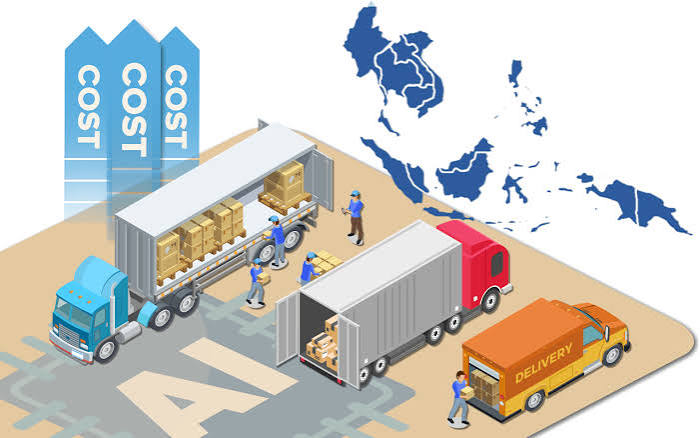
When shipments arrive late, products are damaged, or inventory runs out, customers rarely distinguish between a logistics problem and a product quality issue—they simply take their business elsewhere. These problems often result from systemic weaknesses such as disconnected systems, error-prone manual processes, and reactive approaches that address issues only after they have already affected customers.
Companies often view logistics as a basic function—simply moving goods from one point to another. However, effective logistics can serve as a strategic tool for improving operational efficiency, resilience, and customer loyalty. For this reason, businesses that invest in effective logistics can gain a significant competitive advantage.
What Is Logistics?
Logistics is the process through which businesses coordinate the movement, storage, and flow of raw materials, supplies, finished goods, and related information from their point of origin to the final customer. It includes several key functions such as transportation, warehousing, inventory management, order fulfillment, and demand planning.Effective logistics management ensures that the right resources reach the right place at the right time in the most efficient and cost-effective way possible. It serves as the operational backbone of a supply chain by connecting procurement, production, and delivery with customer expectations.
Key Takeaways
- Logistics is the part of supply chain management responsible for coordinating the movement of goods, materials, and information from origin to destination.
- Effective logistics management can improve profitability by reducing operating costs and supporting higher revenue through faster and more reliable order fulfillment.
- Effective logistics improves supply chain visibility, helping businesses identify and prevent potential disruptions before they affect customers and operations.
- Advanced logistics capabilities improve business agility, allowing companies to respond to market changes, manage supply chain disruptions, and reduce financial risks when entering new markets.
The Role of Logistics in Business
Logistics serves as the operational backbone connecting six key areas, each with a distinct role:- Demand forecasting anticipates market needs and helps businesses plan accordingly.
- Materials management ensures that required resources are available at the right place and time.
- Transportation moves goods and materials throughout the supply chain.
- Warehousing manages storage while optimizing available space and product accessibility.
- Order fulfillment ensures that the right products reach the right customers on time.
- Inventory management balances stock levels to prevent overstocking and stockouts.
Although logistics originated as a military term related to the movement of supplies and troops, it now plays a fundamental role in resource allocation across almost every industry. For example, a manufacturing company's logistics strategy determines when and how materials arrive at production facilities. In healthcare, logistics helps distribute medical and other supplies between facilities. In retail, logistics supports not only product delivery but also the efficient management of returns.
Across all these industries, the common goal is to balance cost control with operational efficiency and competitiveness.
The Importance of Effective Logistics: 9 Key Benefits
Businesses that invest in modern logistics software and platforms can gain a significant advantage over competitors that continue to treat logistics as merely a transportation function.When logistics systems are integrated into an overall supply chain strategy, business leaders can monitor inventory metrics in real time, identify bottlenecks before they become serious problems, and make data-driven improvements across the organization.
1. Improves Cost Management
Modern logistics platforms provide decision-makers with greater visibility into transportation, warehousing, and inventory expenses. This helps businesses identify inefficiencies and unnecessary costs that might otherwise go unnoticed.Reporting tools, automated cost accounting features, and customizable dashboards can help companies identify avoidable expenses, including inefficient shipping practices, high inventory carrying costs, and performance issues among third-party logistics providers.
For example, a manufacturer experiencing increasing shipping costs may discover that delays in order picking are causing frequent partial shipments. These shipments may require expensive expedited delivery to meet deadlines. By coordinating picking and shipping schedules through logistics software, the company could consolidate shipments and reduce transportation costs without compromising service quality.
2. Increases Profitability
Effective logistics strategies can improve profitability in two major ways: reducing operating costs and creating new revenue opportunities.Logistics technology can improve profit margins through automation and better planning. Demand forecasting tools can help businesses predict procurement requirements, automated replenishment systems can prevent stockouts, while robotic picking systems and scanners can improve inventory accuracy and order tracking.
From a revenue perspective, reliable delivery and consistent product availability contribute to a better customer experience. Reliable logistics can increase customer satisfaction, loyalty, and repeat purchases.
Logistics management systems also provide valuable data such as order cycle times, inventory turnover rates, and supplier performance metrics. This information helps businesses make better investment decisions and evaluate the impact of operational improvements.
3. Optimizes Resource Utilization
Logistics platforms help businesses allocate labor, equipment, facilities, and capital to areas where they can create the most value.By analyzing historical and current performance data, these systems can identify demand trends and changes in workload. Managers can then adjust staffing levels, fleet utilization, and warehouse capacity in preparation for expected peaks or slow periods.
For example, logistics tools can identify underutilized assets such as idle equipment, unused warehouse space, or partially loaded delivery vehicles. This creates opportunities to improve efficiency through equipment reallocation, warehouse optimization, and shipment consolidation.
As business requirements change, logistics systems can also support real-time scenario planning. Decision-makers can assess the potential impact of entering new markets, responding to supply chain disruptions, or launching new products.
4. Improves Customer Satisfaction
Prioritizing logistics enables businesses to provide more consistent and reliable customer experiences.Real-time order tracking systems keep both employees and customers informed about updates, delays, and potential issues. This reduces uncertainty and increases transparency throughout the order fulfillment process.
Logistics systems can also collect delivery performance data, allowing businesses to identify recurring delays and errors. These insights can help companies reduce delivery times, eliminate bottlenecks, and improve on-time delivery rates.
Meeting customer expectations for fast and reliable delivery helps businesses build trust, encourage repeat purchases, and turn satisfied customers into loyal brand advocates.
5. Improves Supply Chain Visibility
Modern logistics technology provides businesses with greater supply chain visibility by tracking materials, products, and inventory in real time—from procurement to final delivery and returns.This transparency enables companies to identify potential disruptions early, respond to delays, and develop contingency plans more effectively.
When logistics data is integrated into a centralized system such as an ERP platform, businesses can monitor supplier performance, inventory levels, and transportation timelines from a single interface.
For example, if an electronics manufacturer notices an increase in product returns caused by defective components, logistics data can help trace those components through the supply chain and identify where the problem originated.
If the issue is linked to an external supplier, the procurement team can use this information to negotiate better terms or switch suppliers, ultimately creating a more resilient and responsive supply chain.
6. Enhances Competitive Advantage
Businesses that invest in integrated, data-driven logistics platforms can operate faster and more efficiently than competitors that rely on outdated or disconnected systems.Centralized information and timely insights allow companies to respond quickly to changing customer preferences, supply chain disruptions, and new market opportunities.
For example, a retailer entering a new region can use logistics software to analyze customer demand, position inventory closer to customers, and coordinate faster delivery options.
This level of precision and responsiveness allows businesses to meet modern customer expectations while increasing market share and strengthening brand reputation.
7. Supports Efficient Inventory Control
Integrating logistics with inventory management systems allows businesses to align stock levels with demand forecasts across different distribution points.Logistics software can synchronize inventory decisions with transportation, warehousing, and order fulfillment processes, creating more efficient end-to-end inventory control.
Forecasting tools can analyze historical sales data, seasonal trends, and current market conditions to determine appropriate stock levels for individual products.
This data-driven approach helps businesses avoid stockouts that could send customers to competitors while also preventing excess inventory from tying up capital and valuable warehouse space.
8. Strengthens Risk Management
Comprehensive logistics planning enables businesses to manage supply chain risks more effectively than traditional reactive approaches.Continuous monitoring of supplier performance, transportation reliability, and regional risk factors can help companies identify vulnerabilities before they develop into major disruptions.
Based on these insights, businesses can develop contingency plans such as:
- Maintaining safety stock
- Working with multiple suppliers and carriers
- Establishing alternative transportation routes
- Distributing inventory across different regions
When disruptions occur, companies with well-developed logistics strategies can reroute shipments, use inventory reserves at strategic locations, or switch to alternative suppliers. This helps maintain business continuity while less-prepared competitors struggle to recover.
9. Increases Flexibility
Businesses operating in changing markets need the flexibility to scale their operations quickly. This may include launching new products, entering new markets, or responding to sudden increases in demand.Modern logistics systems support this flexibility through modular features that can be activated when needed. This allows businesses to expand their logistics capabilities without immediately investing in additional warehouses or major infrastructure.
For example, a company can use third-party logistics providers for temporary storage, adjust transportation routes to serve new locations, or accelerate order fulfillment processes without completely restructuring its existing operations.
This flexibility also extends to customer-facing services. Businesses can offer different delivery speeds, pickup locations, and return options to meet the preferences and expectations of different customers.
Conclusion
Effective logistics is much more than simply moving products from one location to another. It is a strategic business function that influences costs, profitability, resource utilization, customer satisfaction, supply chain visibility, risk management, and overall competitiveness.By investing in modern logistics systems, adopting data-driven strategies, and focusing on flexibility and customer needs, businesses can create more resilient and efficient supply chains while building a stronger foundation for sustainable growth.
Quick price query!
Fill out the form to get a special price offer for the services.