The Importance of Cargo Insurance in International Logistics
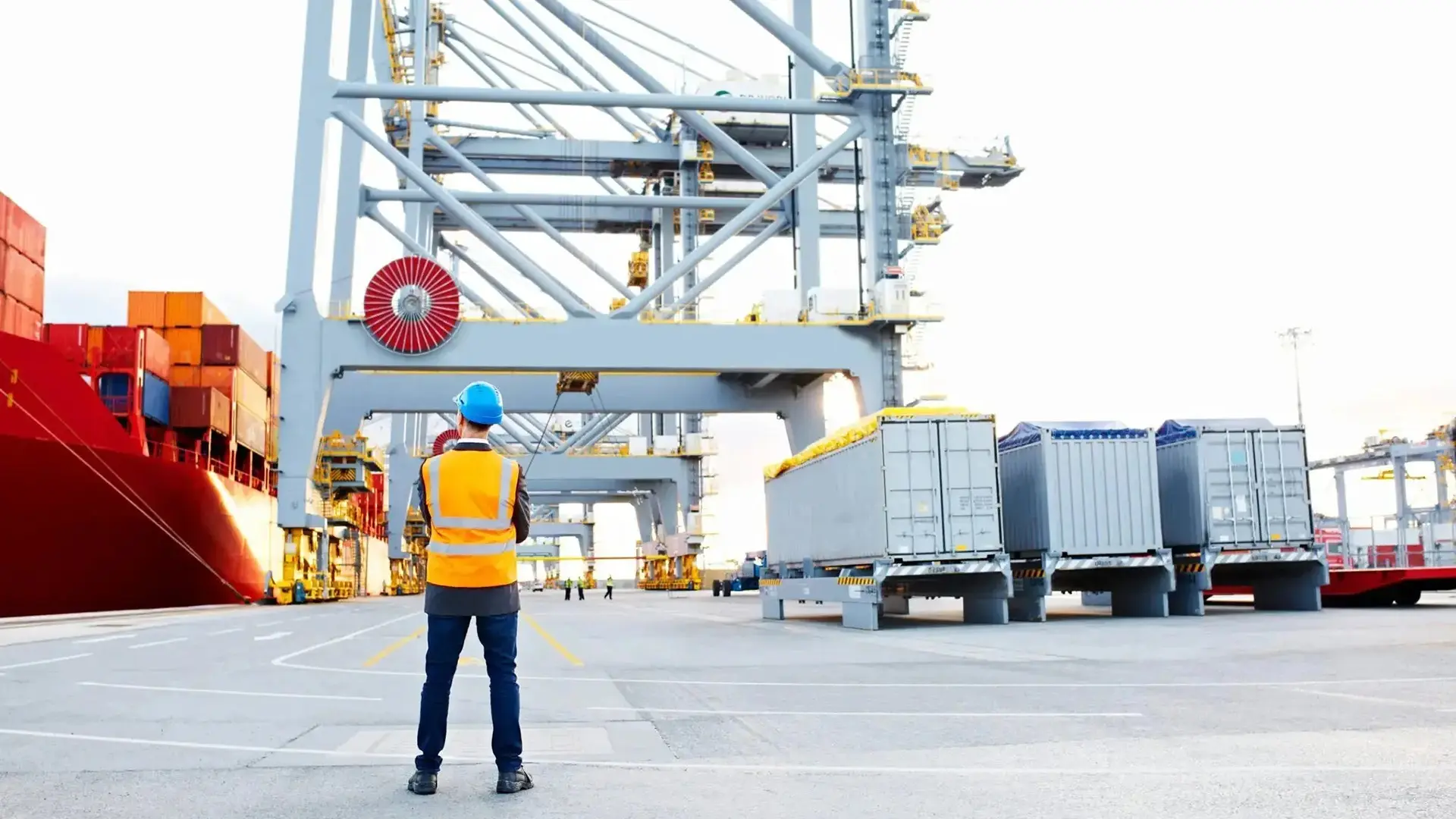 Cargo insurance plays a crucial role in international logistics by providing financial protection for goods transported across borders and oceans. During transportation, shipments may be exposed to unexpected risks, including damage, theft, and loss. Having appropriate insurance coverage helps companies protect their investments and maintain business continuity.
One of the main benefits of cargo insurance is the financial security it provides to cargo owners. International shipments may travel by sea, air, road, or rail, with each mode of transport presenting its own challenges and potential risks. Accidents, collisions, and adverse weather conditions can affect the safety of goods in transit. Depending on the policy terms, insurance may cover eligible costs associated with repairing or replacing damaged goods. This is particularly important for companies transporting high-value products.
Meeting Contractual Requirements
Cargo insurance can also help companies meet their contractual obligations. Some international trade agreements require goods to be insured during transportation, helping protect the interests of both buyers and sellers if problems occur in transit.Failure to comply with contractual insurance requirements may result in legal disputes or lost business opportunities. For this reason, companies should review their agreements before shipping and confirm what type and level of coverage is required.
Protection Against Geopolitical Risks
International logistics can be affected by the global geopolitical environment. Shipping routes that pass through unstable regions may face risks such as piracy, civil unrest, and unexpected customs restrictions.Depending on the policy, cargo insurance may cover certain losses arising from insured events that cause physical damage to or loss of goods. Additional expenses resulting from delays or route diversions are covered only when the relevant risks are included in the policy.
Protection During Loading, Unloading, and Transit
In international logistics, cargo may be transferred between vehicles, facilities, and responsible parties several times. Each stage of handling, loading, and unloading can introduce risks, including damage caused by improper handling or unforeseen incidents.Appropriate insurance coverage can help reduce the financial impact of certain incidents that occur during these stages. However, coverage depends on the specific policy terms, limitations, and exclusions.
Strengthening Trust in the Global Market
Cargo insurance can also enhance a company’s reputation in international markets. By insuring shipments, businesses demonstrate a responsible approach to protecting the assets of their customers and partners. This can strengthen trust, support long-term cooperation, and help build reliable business relationships.If an insured incident occurs, compensation is handled according to the terms of the policy and the applicable claims process.
Conclusion
Cargo insurance is an important risk-management tool in international logistics. It provides financial protection against certain transportation risks, helps businesses meet contractual requirements, and strengthens trust among participants in global trade.Companies should select coverage based on the transportation method, cargo value, and potential risks. Before purchasing a policy, it is essential to review its coverage, conditions, limitations, and exclusions to understand which incidents are actually insured.
Quick price query!
Fill out the form to get a special price offer for the services.