Key Advantages of Railway Transportation
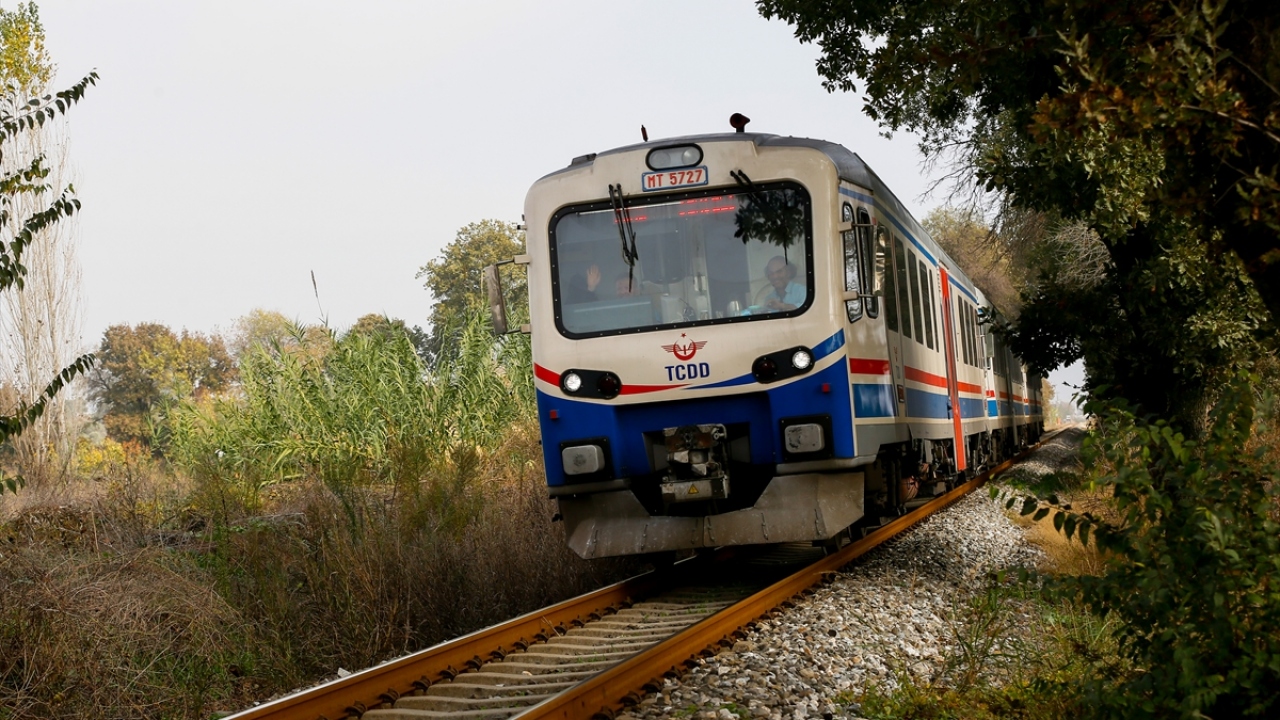
Railway transportation plays an important role in international logistics and freight transport. It is particularly suitable for moving heavy and bulky goods over long distances. Its high carrying capacity, cost efficiency and relatively low environmental impact make rail transport an essential part of modern supply chain operations.
Well-organized railway freight services help businesses optimize transportation costs, improve cargo safety and manage supply processes more efficiently.1. Lower Environmental Impact
Rail transportation generally produces lower carbon emissions per tonne of freight compared to road transportation. Carrying large quantities of goods in a single train reduces energy consumption per unit of cargo. This makes rail a valuable option for businesses seeking more sustainable and environmentally responsible logistics solutions.
2. Cost Efficiency
Railway transportation can be a cost-effective solution, particularly for moving large shipments over long distances. Its high carrying capacity allows businesses to transport substantial quantities of goods in a single journey. This can help reduce transportation costs and improve overall logistics budget management.
3. Reliable and Predictable Transportation
Rail freight is not directly affected by road traffic congestion and many restrictions associated with highway transportation. This makes shipment planning more manageable and supports better delivery scheduling. However, weather conditions, railway infrastructure and border-crossing procedures may still influence transportation times.
4. Capacity for Large-Volume Cargo
One of the main advantages of railway transportation is its ability to carry large volumes of goods simultaneously. It is suitable for transporting raw materials, industrial products, construction materials and other bulky shipments. This capacity is particularly valuable for businesses that require regular deliveries of large quantities of goods.
5. High Level of Cargo Safety
Railway transportation can help reduce certain transportation risks. Trains operate along established routes, while controlled transportation procedures contribute to cargo security. Selecting suitable wagons, properly positioning goods and securing loads are also essential for maintaining safety throughout the journey.
6. Suitable for Heavy and Industrial Goods
Rail transport is widely used for moving machinery, equipment, metal structures, minerals, construction materials and other heavy goods. Its high carrying capacity makes it a practical solution for meeting the transportation and supply requirements of industrial businesses.
7. Secure Cargo Handling and Suitable Transport Conditions
Different types of railway wagons can be selected according to the specific characteristics of the cargo. Enclosed wagons, containers and specialized flat wagons provide suitable conditions for transporting various products. Proper packaging and cargo positioning also help minimize the risk of damage during transit.
Conclusion
Railway transportation remains an important component of modern logistics due to its cost efficiency, high carrying capacity and relatively low environmental impact. It can be a particularly suitable option for transporting heavy, bulky and large-volume shipments over long distances.Careful consideration of transportation routes, cargo characteristics and delivery requirements helps businesses make better use of railway logistics and improve their overall supply chain efficiency.
Quick price query!
Fill out the form to get a special price offer for the services.