Importance Of Cargo And Container Inspection
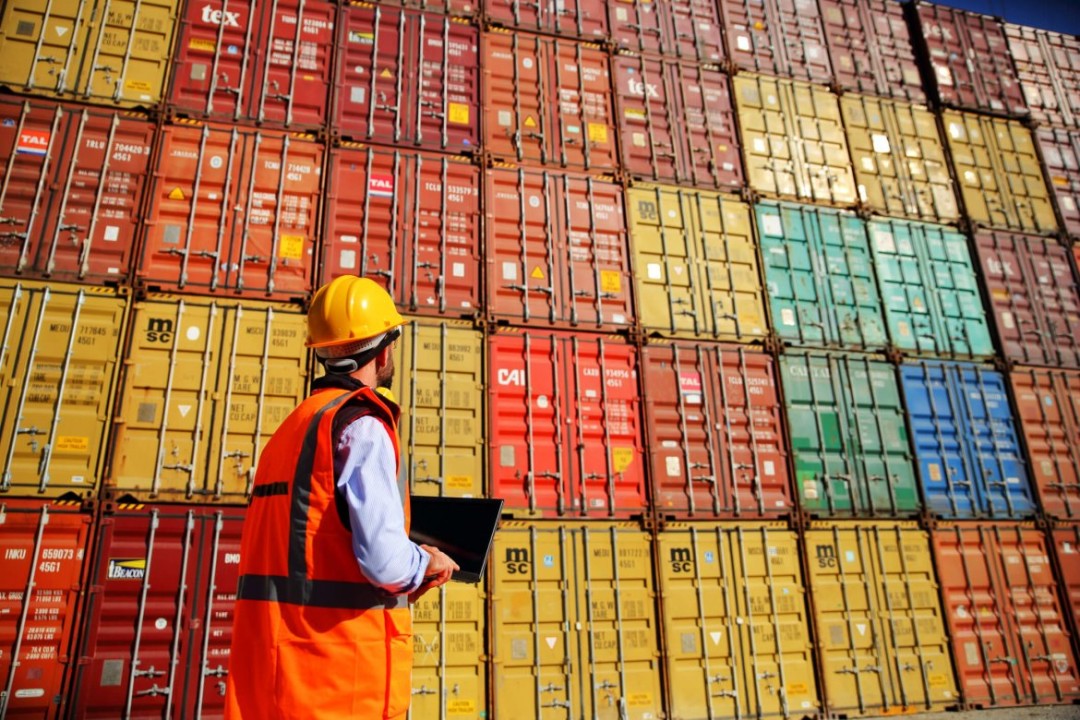
The inspection of cargo and containers is essential at any customs checkpoint to prevent and detect the entry of illegal items into the country.
However, this segment is not the only one that can benefit from the implementation of solutions for large-scale and/or bulk inspection.
Having more control over incoming and outgoing materials for a business can help prevent loss of space, theft, and other damages. In fact, cargo inspection is not only relevant but, in certain cases, mandatory.
What Is the Importance of Cargo Inspection?
Volume control is very important in several sectors. For example, at airports, preventing dangerous materials from entering bags and luggage is one of the critical security practices to ensure the safety of people and aircraft. Here are some reasons for cargo inspection:
It Enhances Business Security
One of the most obvious reasons for inspecting cargo is security. After all, businesses and government institutions must prevent the entry of weapons and dangerous items that could compromise the safety of employees and visitors.
Inspection also helps protect the organization from receiving illegal materials such as smuggled goods and narcotics. Therefore, having cargo control reduces risks for the company. These risks can negatively affect its operations, cause legal complications, and seriously damage the company’s image.
Be Alert to Material Theft
Since controlling incoming cargo is important for a company, outgoing cargo is even more critical. Therefore, investing in inspection and security procedures, including the installation of metal detectors and X-ray devices, can help prevent theft of items or goods.
In addition, weighing outgoing cargo from warehouses and storage centers increases the company’s control over inventory and helps avoid security errors.
Thus, the key point is to verify that what is described in the packing list is actually what is being transported in the outgoing boxes.
Enable Logistics Optimization
Another advantage is that the use of X-ray inspection equipment can prevent mismanagement in the logistics process — for example, the delivery of damaged products to consumers. Often, it is not possible to determine whether defective products are already packaged and ready for sale.
Once the box is sealed with its contents, only the final consumer or end user will open it. Until then, it is difficult to determine where and whether any damage has occurred to the goods.
Conducting proper pre-inspection with an X-ray system at factories or distribution centers can prevent broken or damaged products from leaving the facility.
X-Ray Legislation and Mandatory Use
The use of X-ray equipment to optimize cargo inspection has long been implemented at ports and airports and has expanded particularly due to fears of attacks, illegal drug trafficking, and other criminal activities.
Nowadays, devices designed to inspect cargo of various sizes are widely available. Some — for example in postal centers — handle small volumes of cargo, while others can inspect entire containers and trucks within minutes.
The biggest advantage is that these devices allow visualization of contents without opening the package. Thus, it becomes possible to identify the contents of any package or quickly detect risks and damage.
Since X-rays cannot pass through metal objects, different types of materials can be seen on the equipment monitor. Each material type — organic, inorganic, or mixed — appears in a different color on the monitor, allowing the scanner operator to easily identify weapons, explosives, drugs, sharp objects, etc.
It is important to emphasize that this equipment is safe and regulated by local authorities so that it does not pose a risk to the health of operators and other individuals involved in the inspection process.
A major question concerns radiation from these devices. In fact, X-ray inspection equipment does not use radioactive materials for the inspection process — as it does not contain organic radiation sources such as uranium, cobalt, or cesium.
The radiation in an X-ray scanner is generated from electricity. At this moment, electron acceleration occurs, and electrical energy is converted into X-rays. When the operation stops or the radiation source is disconnected from the electrical system, there is no risk of ionizing radiation until the next inspection is required.
In addition to the very low exposure time, the equipment has a high level of lead shielding and is approved by local authorities.
X-ray technology is so effective that legislation requires local services to inspect cargo passing through airports and border checkpoints. Customs areas must inspect containers and pallets to ensure proper taxation of imported goods and to prevent illegal items such as drugs from entering the country.
Previously, inspection was carried out through physical checks using random sampling. Certain volumes of each container were selected to be opened and inspected. As a result, the procedure could take hours before resealing, repackaging, and release.
Although law enforcement inspections allow breaking container seals for cargo inspection, non-intrusive inspection is far more effective and less time-consuming. For example, what previously took 72 hours for physical container inspection can now be completed within seconds using X-ray equipment.
Regulatory Compliance Solutions
To improve cargo security, every terminal — whether public or private — should have X-ray technology.
However, this technology is also important and necessary for organizations operating in various sectors. In this regard, you will understand how inspection solutions can help your business!
Scanners for Trucks and Containers
A truck is quickly inspected by passing through an X-ray tracking system, and its image is automatically scanned. This allows every detail of the cargo to be seen and ensures that there are no hidden items in the vehicle’s floors, wheels, or inaccessible areas — something much harder to guarantee without this technology.
Large Cargo Inspection Scanners
Physical search not only takes longer, but in some cases, it is not even possible to inspect cargo due to contractual reasons. In this case, the use of X-ray technology is also a way to protect your business from complications and legal claims and keep it within legal limits.
At the same time, with tailored solutions for each organization, everything from small packages to pallets and large boxes can be inspected.
Metal Detectors
It is also worth considering integrating multiple inspection solutions to better meet your organization’s security requirements. For example, by using X-ray equipment together with metal detectors, you can better protect your business.
Quick price query!
Fill out the form to get a special price offer for the services.