Top 10 Hidden Costs in Ocean Freight Shipping
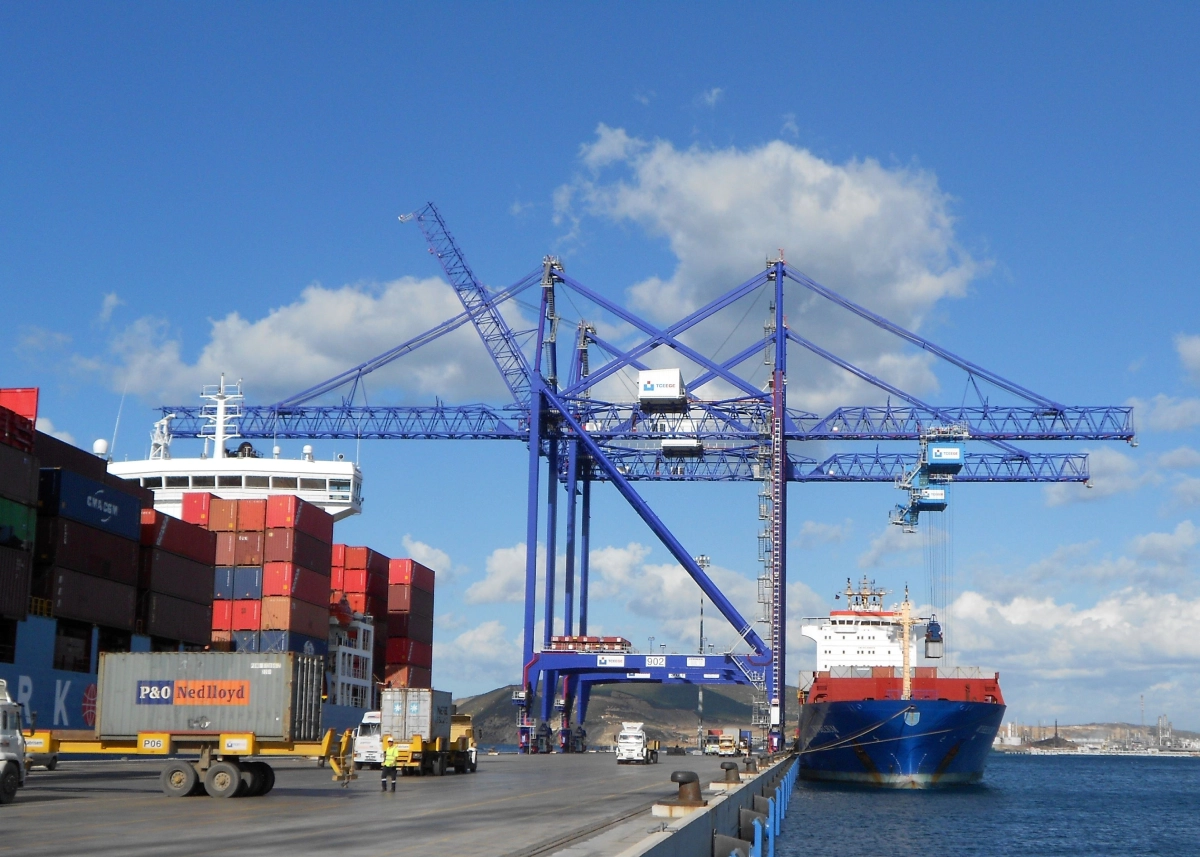
Are you confident in managing freight pricing in sea logistics? Let’s take a moment to understand.
The initial “base rate” offered to you represents only a small portion of all costs. In many cases, numerous expenses are hidden underneath, which increases your delivery costs to a much higher amount than expected. Being unaware of the sources of these additional charges means you are vulnerable to unexpected costs that can disrupt your budget.
This article will explain the 10 most common hidden costs in ocean freight transportation, demonstrate how they affect your profit, and provide a checklist of practical steps to evaluate carrier quotations and take control of your logistics budget.
1. Fuel surcharges
Fuel surcharges depend on the type of fuel used and the environmental zones through which the vessel passes. For example, sulfur regulations from the International Maritime Organization increase costs by requiring low-sulfur fuel in certain zones. As regulations become stricter, especially in Emission Control Areas (ECA), these charges are likely to increase further.
2. Currency Adjustment Factor (CAF)
CAF is a method used by carriers to offset risks associated with currency fluctuations. CAF is applied when the value of the local currency of the country where goods are shipped from or to differs from the currency in which freight rates are set.
This means that if you are shipping goods from Europe to the United States, and during that time the euro strengthens against the dollar, it may result in a higher CAF charge on your rate.
3. Port charges
Ocean freight would not be complete without port charges, especially Terminal Handling Charges (THC). These are fees charged by port terminals for handling containers during arrival and departure.
What is the main issue? Port charges are not uniform from one port to another. Different ports have different levels of infrastructure, labor, and equipment, which can significantly increase fees in some locations.
When reviewing different carrier offers, make sure you check how Terminal Handling Charges are calculated and be prepared for variations depending on your port of entry or exit.
4. Documentation and administrative costs
These charges may include Bill of Lading (B/L) fees in either traditional (paper) or electronic form, release fees for your goods, and other administrative costs. While these expenses may seem insignificant individually, they can significantly impact total delivery costs.
Anticipate them by requesting a full list of documentation fees in advance, or manage shipping documents yourself using our document tool — create, customize, manage, and plan them.
5. Transshipment and handling fees
If there are no direct routes, your cargo will be subject to freight charges for multimodal routes. Transshipment fees cover the movement of goods between vessels at intermediate ports until they reach their final destination.
It is important to be aware of these charges if your shipment is not direct and requires transfer elsewhere. This way, you get a clear understanding of expected costs.
6. Port storage
Port storage fees are charged for every additional day cargo remains at the port, and these costs can rise sharply. When a container arrives, there is a grace period or free time (usually a few days), after which storage charges begin accumulating as the cargo stays longer.
To avoid unnecessary storage fees, ensure your schedule aligns with your transportation and customs clearance processes.
7. Demurrage and detention
Demurrage is a charge for using a container beyond the agreed free time at the port.
Detention, on the other hand, is a fee charged for holding the container after it has been picked up from the port.
If you do not properly plan your transportation and customs services, both fees can quickly increase. Every stage of transport must be well coordinated, and such penalties should be included in the budget by transport planners.
8. Peak Season Surcharges (PSS)
Sea freight has its own activity cycles. Peak Season Surcharges (PSS) are applied when demand for shipping is high, for example during holidays or export booms from countries like China.
These surcharges are typically introduced in anticipation of busy shipping periods, and if not properly considered, they can severely impact your budget.
What should you do to stay prepared? Compare freight rates across carriers, monitor peak seasons, and include these surcharges as part of your budget.
9. Additional charges for special cargo
There are differences between cargo types. “Special” cargo such as oversized items, project cargo, refrigerated containers, and dangerous goods requires additional fees. This is due to the extra care, handling, and attention required for transporting such goods.
10. Hidden “last mile” costs
After your shipment leaves the port, surprising charges — the infamous “last mile” fees — may appear.
What are last mile costs? These may include trucking charges, customs clearance fees, and other carrier services (such as unloading or door-to-door delivery). To avoid surprises, always request a full breakdown of costs in advance.
How to build a shipping budget
Effective logistics planning requires creating a realistic delivery budget. Here is a checklist to consider when preparing your shipping budget.
Step 1. Include all types of costs, including hidden fees
The first step in building a shipping budget is listing all possible costs related to transportation. These are not limited to base ocean freight rates but also include additional costs that are often overlooked. Key costs to consider are listed below:
Base rate: This is the initial freight rate provided by the carrier. While it is usually the largest component of your delivery cost, it is not the only one.
Hidden costs: Make sure you also include the following additional charges alongside the base rate:
- Fuel surcharges
- Currency Adjustment Factor (CAF)
- Terminal Handling Charges (THC)
- Demurrage and detention
- Loading and transit port fees
- Special cargo surcharges (refrigerated, oversized, or dangerous goods)
Request detailed information: When you receive a quotation from a carrier, verify that it includes a full breakdown of all costs and hidden fees. Double-check later to ensure each cost matches your checklist.
2. Create a buffer for unexpected costs
Even with careful planning, unexpected expenses may occur. That is why it is important to include a financial buffer. Here is how to manage unexpected costs:
Include seasonal surcharges: Remember that peak seasons such as holidays or high export volumes (e.g., from China) may trigger Peak Season Surcharges (PSS), increasing delivery costs.
Anticipate possible delays: Delays in ocean freight are quite common and can lead to additional costs such as demurrage for extended port storage or detention fees for containers held beyond free time. Be prepared for extra expenses if things do not go as planned.
Expect invisible costs: Set aside some funds for various unforeseen expenses. Unexpected customs duties, fines, or additional handling fees may arise, so it is wise to plan financially for them.
Recommended reserve: It is usually advisable to allocate 5–10% of your total costs for such unexpected expenses. This buffer will protect your budget from disruption.
3. Use a budget checklist
A checklist helps ensure that no important steps are missed when calculating shipping costs. Here is how to use it effectively:
Cross-check components: Use the checklist to verify that all fee types are included, such as:
- Base rates and surcharges (BAF, CAF, THC, demurrage, etc.)
- Special considerations for non-standard cargo (oversized, hazardous, or refrigerated)
- Seasonal surcharges and other hidden fees
Evaluate multiple quotes: Use the checklist to compare offers from different carriers. This structured review of each component helps identify the most accurate and cost-effective option.
Track shipments: After reviewing the checklist and creating your budget, record these figures for shipments. This makes it easier to track standard costs later and ensures better preparedness for future shipments.
Summary
The base freight rate is only the starting point. Fuel surcharges, port fees, and last-mile delivery costs all add up quickly as “hidden” charges. If you want to maintain control of your budget, it is essential to clearly understand and plan for these fees.
By carefully reviewing carrier quotes, using a detailed checklist, and planning for unexpected costs, you can forecast and manage your logistics budget more effectively, ensuring smoother and more efficient delivery operations.
Quick price query!
Fill out the form to get a special price offer for the services.