5 main international transport routes and sea routes
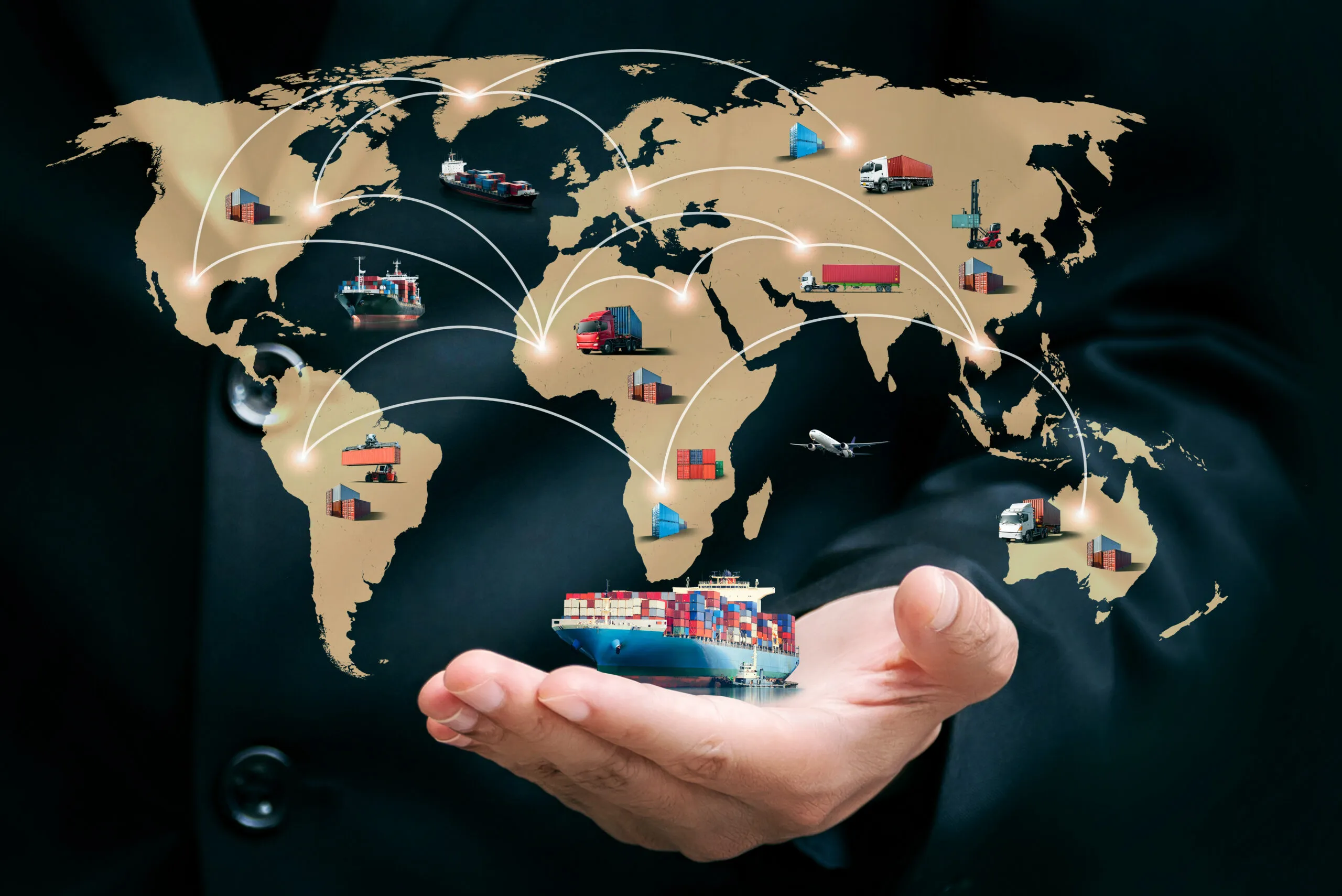
Maritime transport is truly the main force that keeps global trade moving.
It connects suppliers, logistics teams, and shippers with each other all around the world. Every continent and every ocean. Major shipping routes are like the arteries of this system. They carry all kinds of products and raw materials.
Let’s take a look at five routes that are truly essential for global trade.
The English Channel
The English Channel is not just a simple stretch of water between the United Kingdom and mainland Europe. It is one of the most important shipping corridors. On any given day, it is possible to see 400–500 ships moving between the North Sea and the Atlantic Ocean. This route is truly essential for trade between the UK and the rest of Europe. A large amount of cargo passes through here every year — food, fuel, and everything people need.
At its narrowest point, the Dover Strait, ships must pass through an area only 21 miles wide. There is no room for mistakes, so ships must follow navigation rules like cars on a busy highway.
The Strait of Malacca
The Strait of Malacca is located southeast of the English Channel, between Indonesia, Malaysia, and Singapore. This passage is 550 miles long. In 2022, more than 80,000 ships passed through it. That is an extremely large number of vessels. The Strait of Malacca is a key route between Asia and Europe, carrying goods from countries such as China and Japan to the Middle East and Europe — and vice versa. Many oil tankers moving from the Middle East toward global markets can also be seen here. Around 40% of global trade passes through this narrow waterway every year.
The Strait of Hormuz
The Strait of Hormuz is located between Iran and Oman. It is extremely important. More than 20 million barrels of oil pass through it every day. In 2022, over 20,000 vessels traveled through this route. Ships carrying oil and fuel travel toward Asia, Europe, and even America. Any disruption or problem here can affect entire economies.
The Suez Canal
The Suez Canal is an engineering marvel connecting the Mediterranean Sea and the Red Sea. In 2020, 18,000 ships passed through it. It significantly shortens the journey between Europe and Asia. Oil tankers from the Middle East also use this route to reach Europe.
However, it is not easy. The canal is narrow, and if a large vessel gets stuck here, everything stops. Do you remember the blockage a few years ago? That event showed how critical this passage is for supply chains.
The Panama Canal
Finally, there is the Panama Canal, which connects the Atlantic and Pacific Oceans. It is truly important for shipping between the east and west coasts of the Americas, and for container ships operating between the United States and Asia. In 2020, 14,000 ships passed through it. Around 15 ships use this route every day. The locks are very tight, and only a limited number of ships can pass at once. Sometimes ships have to wait for weeks to transit. To reduce delays, new and larger locks have been added so bigger vessels can pass through.
In conclusion
These shipping routes are the key factors that keep global trade moving. They transport goods, support businesses, and keep supply chains running. If you work in logistics or supply chains, understanding how these routes work is truly important. Maritime transport connects the world. These routes are like the superhighways of the seas. Maritime transport and these routes are extremely important for trade.
Quick price query!
Fill out the form to get a special price offer for the services.