What are the world’s main sea routes?
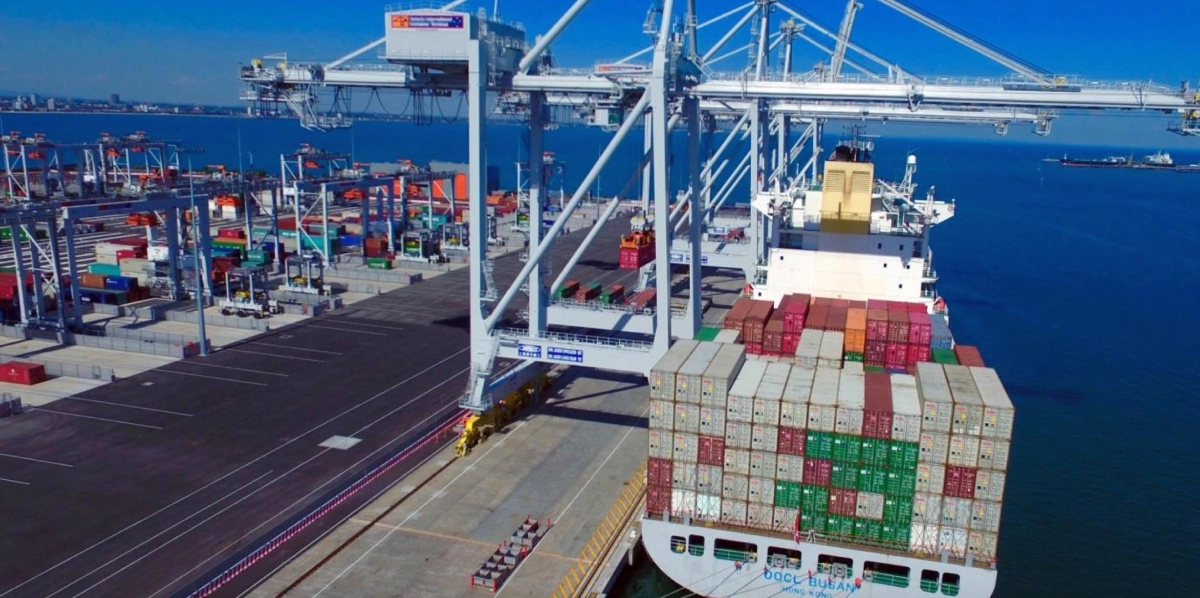
If you are planning to ship products to other countries, it is very important to consider which route is more suitable for your destination, how much budget you have for delivery, how quickly the product needs to arrive, and what terms you have agreed on with other parties assisting you in transportation.
Transport routes are very important because they are all different. Some are used very frequently. Others are not used as often. It is necessary to know which routes play a key role as maritime pathways and which are used less for transport and logistics. Some important routes in the world, such as the Suez Canal and the Strait of Hormuz, handle large volumes of oil and cargo transportation, which shows how important they are for shipping and trade.
What is a transport route?
A transport route is a path used by ships to deliver cargo in the safest way. These routes connect ports and points where cargo is transferred from one ship to another. They are usually located on rivers or seas. The large number of ships in the oceans shows that ports and transport routes are operating efficiently.
Here is a list of famous transport routes in the world
#1: The Panama Canal
This is an artificial canal that connects Asia with the east coast of the United States. Around 14,000 ships use this route every year to travel between the Atlantic and Pacific Oceans.
#2: The Suez Canal
This is an important route used by around 19,000 ships every day. It is one of the main ways European and Asian countries trade with each other. 12% of global trade and 30% of all container shipping passes through this route. The Suez Canal also carries 7–8% of the world’s oil and hydrocarbons transported from Asia and the Middle East to Europe, as well as 8% of liquefied gas.
#3: The English Channel or Dover Strait
This is one of the busiest routes in the world, with around 500–600 ships passing through it every day. It is one of the main trade routes between Europe and the United Kingdom. It connects the North Sea with the Atlantic Ocean. Around one quarter of goods imported by the UK from the European Union and around one third of EU exports pass through this route.
#4: The Strait of Malacca
This is a passage between the Pacific Ocean and the Indian Ocean. It connects Asian economies such as Japan, Malaysia, Singapore, Indonesia, India, and China. Every year, 83,000 ships pass through this strait.
#5: The Saint Lawrence Seaway
This route provides a passage between the United States and the northern regions of Canada. Every year, 50 tons of cargo are transported through this route.
#6: The Strait of Hormuz
This route connects the Gulf of Oman with the Persian Gulf and facilitates oil transportation. It is very important for Asian countries such as South Korea, Singapore, India, China, and Japan.
You can prepare for periods when transport routes become congested and expensive. This guide will help you avoid overspending on transportation. The SeaRates team can help you find shipping rates tailored to your needs, or you can compare prices yourself using the SeaRates Logistics Explorer tool.
How much cargo is transported via shipping routes?
There are 60,000 ships in the world, and this number is increasing every year. Each ship carries millions of containers and bulk cargo. This means that around 11 billion tons of cargo are transported annually through the busiest shipping routes.
A wide variety of goods are transported by cargo ships because most industries around the world trade and ship products every day. These include:
factories equipped with special machinery and large-volume cargo
agricultural and food products
oil and mineral fertilizers
IT businesses
raw material suppliers
pharmaceutical companies
chemical manufacturers
automotive parts suppliers and car dealerships
How can digital solutions help transportation?
As the oceans become increasingly congested, ports, shipping companies, and other parties involved in logistics must find ways to manage transport congestion and other challenges. Learning about transport routes is useful. You can use the Distance & Time tool to determine the route for your shipments and get information about how long transportation will take.
Quick price query!
Fill out the form to get a special price offer for the services.