The volatility of cargo transportation rates in today’s world
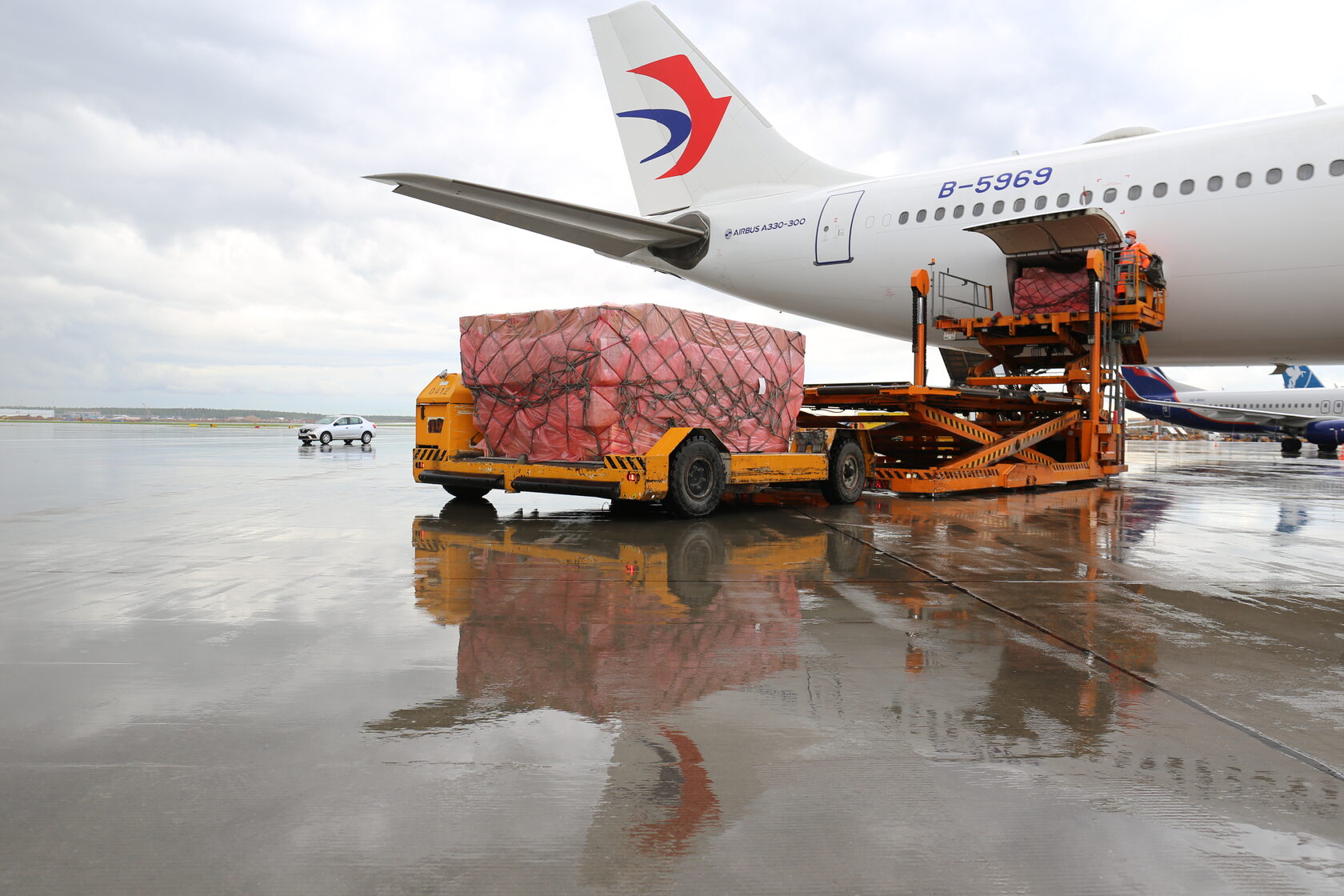
Freight rates — meaning payments charged for transporting goods via sea, air, road, and rail for domestic and international shipping — are never stable and can change quite significantly.
In today’s highly interconnected world, these rates change at an incredible speed, and these fluctuations often surprise both importers and exporters. This volatility does not happen without reason; it is the result of various economic, political, and operational changes that affect the transportation industry every day. For companies and individuals involved in international trade, understanding the factors behind freight rates has become a necessity. It impacts final costs, delivery guarantees, competitiveness, and future planning.
This article explains what freight rate volatility actually means, presents the latest trends at index and route levels, discusses the main factors affecting today’s market, explains the impact of freight fluctuations on the global economy, and provides ways to manage this uncertainty.
What does “freight rate volatility” actually mean (and why it matters)
Freight rate volatility refers to the changes in the cost of container transport over time on a specific trade route — whether in the short-term spot market or long-term contracts. It matters because it directly affects businesses’ cash flow, pricing, inventory planning, and competitiveness.
For freight forwarders, rate volatility defines profit margins and creates potential needs for risk hedging. For shippers, it impacts total landed cost, pricing strategy, and shipment planning. Staying aware of these fluctuations allows companies to reduce risk, make informed operational decisions, and optimize capacity and costs, especially in today’s unstable global shipping environment.
Main factors behind freight rate volatility
Trade route differences
Shipping rates are heavily influenced by chosen trade routes. Not all routes have the same level of demand and congestion, and operational efficiency also varies. For example, Asia–Europe routes typically experience higher cargo volumes and port congestion, which affects rates. At the same time, vessel availability, transit times, and route popularity also create price differences. Thus, each trade route is dynamic — demand levels, cargo flow efficiency, and available shipping options all influence transportation costs on that route.
Headhaul and backhaul flows
Carriers apply different pricing depending on cargo direction. The headhaul direction is usually the high-demand main route where vessels sail fully loaded, allowing carriers to charge higher rates. The backhaul is the return direction, where cargo volumes are lower. To maintain vessel utilization, carriers may offer discounted prices on backhaul routes. This creates more favorable pricing compared to outbound directions. The imbalance between demand and available capacity is one of the key drivers of freight pricing.
Seasonal and peak demand
Freight rates are strongly influenced by cyclical and seasonal demand. During peak periods such as pre-holiday Q4 surges, major e-commerce campaigns, or harvest seasons, container shortages, port congestion, and higher operational costs are observed. In such cases, carriers usually increase rates. Conversely, during low-demand periods, rates may fall, but the timing is unpredictable. Understanding these seasonal factors is essential for shippers to manage cost fluctuations.
Spot vs contract rate risk
Whether companies use spot or contract rates plays a key role in exposure to market volatility. Spot rates are formed weekly based on global supply and demand and can change significantly. Contract rates are fixed for a defined period (usually 6–24 months), providing more stability. Contracts protect shippers from sudden price spikes but may prevent them from benefiting when market prices fall until the contract expires. Choosing between spot and contract pricing determines how exposed a company is to market changes.
Fuel prices and surcharges
Bunker fuel is one of the largest operating costs for ocean carriers. Changes in global oil markets lead to fuel surcharges that are usually passed on to shippers. Even small fuel price changes can impact shipping costs due to the scale of global vessel operations. Carriers frequently update fuel surcharges weekly or monthly, adjusting overall freight rates.
Geopolitical and global events
The global freight market is highly sensitive to geopolitical and macroeconomic conditions. Trade disputes, sanctions, regional conflicts, natural disasters, and pandemics can disrupt supply chains, limit vessel availability, and create port congestion. The 2021 Suez Canal blockage, for example, caused temporary rate increases due to delays and congestion on Europe–Asia routes. Such events increase uncertainty and force carriers to adjust pricing for higher operational risk and reduced capacity.
Carrier capacity and fleet utilization
The number of available vessels and their utilization levels directly affect rates. When vessels sail fully loaded, demand exceeds supply and carriers can charge higher prices. Conversely, when capacity exceeds demand due to new vessel deliveries or weak global trade, competition increases and rates fall. Vessel size, speed, and technological efficiency also play an important role in carriers’ cost and pricing structures.
The ripple effect: impact of freight volatility on the global economy
Unpredictable shipping costs create both immediate and long-term effects across the global economy for businesses, consumers, and carriers.
For importers and exporters, high volatility makes financial planning nearly impossible. Sudden rate spikes can erase profit margins on a single shipment, forcing difficult choices: absorb higher costs, pass them on to consumers, or delay orders and risk shortages. Volatility also weakens investment and expansion; for example, major rate fluctuations were observed on key routes such as Shanghai–Rotterdam during the 2024 Red Sea crisis.
For consumers, shipping costs are a direct driver of inflation. While much of earlier cost increases have already been absorbed into prices, new volatility adds further pressure. For example, disruptions in the Red Sea in early 2024 led to surcharges and delays, increasing the risk of higher prices for energy and retail goods, making it harder for central banks to control inflation.
For carriers, volatility creates extreme boom-and-bust cycles. After record profits during the pandemic, the industry experienced a sharp correction. The recent rate increases linked to the Red Sea crisis provided only short-term relief. This uncertainty makes it difficult to plan long-term strategies, especially for fleet investments that require stability.
Strategies for managing uncertainty
Although the global freight market is not fully under the control of individual businesses, companies can adopt strategies to reduce risk and operate more effectively in a volatile environment.
Embrace data and visibility: The era of “intuition-based” shipping is over. Use freight rate comparison tools and market intelligence platforms. Real-time rate trends and capacity signals enable proactive rather than reactive decision-making.
Diversify your supply chain: Relying on a single route, port, or carrier is risky. Consider alternatives such as nearshoring and friendshoring. Diversifying production locations and port choices increases flexibility.
Build strong carrier relationships: Reliable partnerships are valuable in both strong and weak markets. Trusted partners are more likely to honor commitments during peak periods and offer better terms during downturns. Treat carriers as partners, not just suppliers.
Flexible contract strategies: Consider a hybrid contracting model. Instead of locking all volume into long-term contracts, keep part of it in the spot market. This provides stability while allowing you to benefit from market dips.
Invest in supply chain resilience: Build buffers into inventory planning and financial models. Account for freight volatility risk. A stronger supply chain — whether through safety stock or alternative suppliers — can protect against major rate spikes.
The role of technology in tracking and managing freight volatility
Today, freight rate volatility has become a normal market feature, and technology is turning this uncertainty into a manageable risk factor. New digital freight platforms allow shippers to track both spot and contract rates in real time, changing the “book now or wait” decision landscape.
Modern AI models use macro signals such as fuel prices, port congestion, and geopolitical news to predict potential rate spikes. Supply chain visibility platforms provide alerts about delays, blank sailings, and congestion, supporting better decision-making.
Conclusion
In today’s global shipping environment, freight rate volatility is a core characteristic driven by demand, carrier behavior, fuel costs, geopolitics, and supply chain constraints. For newcomers to international trade and logistics, it is a reminder that shipping is a dynamic and variable cost. For experienced professionals, it is a strong reason to monitor markets, anticipate changes, and strategically optimize routes and contracts. Ultimately, it reflects the complexity of global trade — constantly interconnected, complex, unpredictable, and highly dynamic. The only constant in today’s shipping world is change.
Quick price query!
Fill out the form to get a special price offer for the services.