Temperature-Controlled Cargo (TCC) Operations
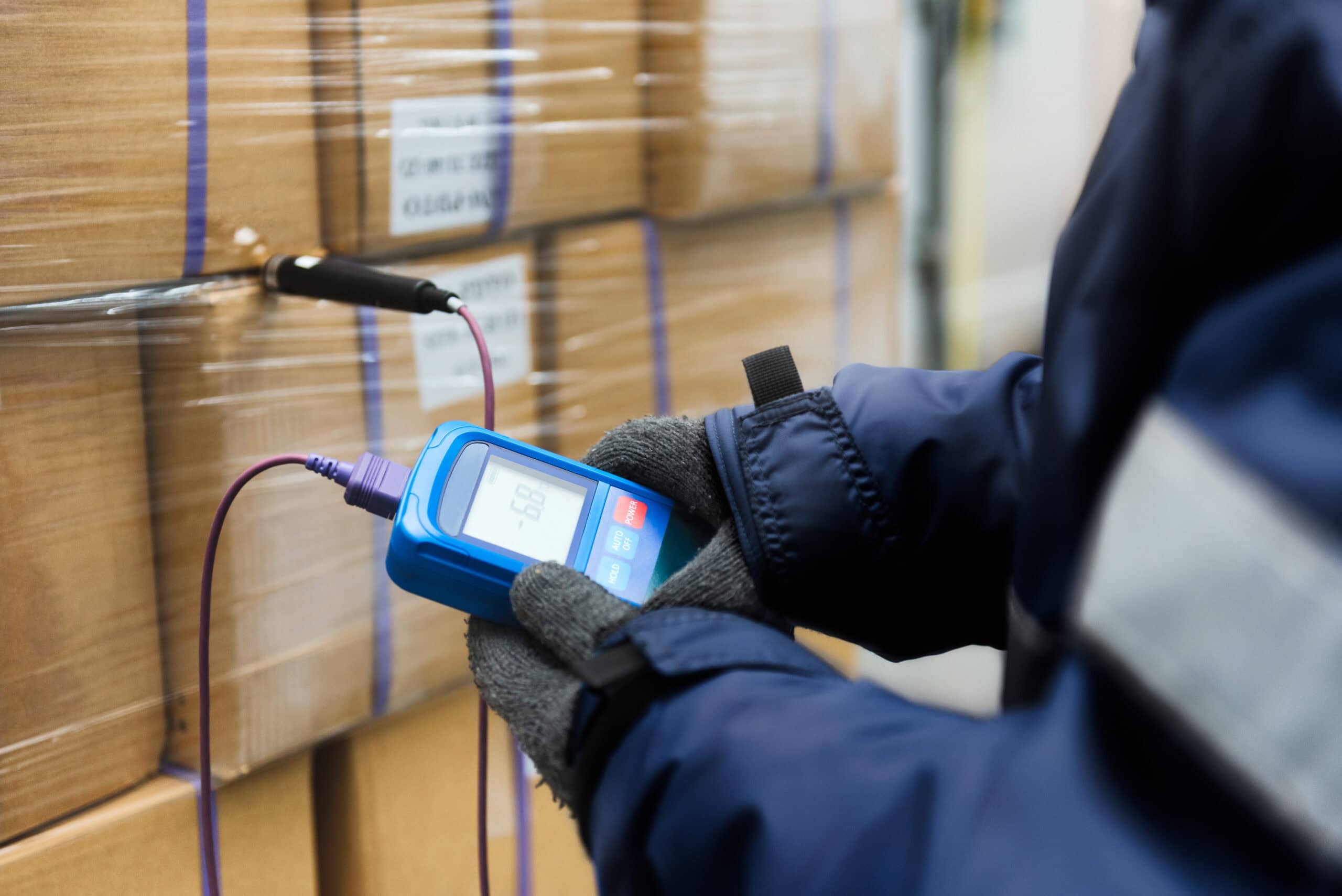
TCC Logistics
The problem of transporting temperature-sensitive goods must cover the safe storage, packaging, handling, and transportation of goods that must be kept within a specific temperature range throughout the entire supply chain.
When dealing with temperature-controlled cargo, the following issues must be considered:
Permitted temperature (and in some cases humidity) range.
Continuous temperature monitoring and recording devices.
Ensuring that cargo is kept without temperature fluctuations.
Special issues that may affect the nature of the cargo (for example, delays).
Reliable storage conditions in airport warehouses, secure terminal and ramp handling operations, internal conditions in aircraft cargo holds, as well as possible delays must be ensured.
Each cargo compartment of an aircraft has its own temperature range. Before deciding on temperature-controlled transport, we must know which cargo compartment will be used for each aircraft type and configuration (main or lower deck, forward or aft compartment).
In addition, if electrical power supply is required, we must ensure that suitable voltage and power, as well as compatible connections, are available at all transit points.
Pharmaceutical Products
Pharmaceutical products are goods used for the diagnosis, treatment, or prevention of diseases. The main effect of these products is achieved through chemical or biological action, or through human metabolism. This category includes medicines, biological agents (vaccines and therapeutic products), and medical devices.
The Life Sciences Products category, which also includes human organs, human tissue samples, blood tests, etc., is closely related to this cargo category and is regulated under the same rules as pharmaceutical cargo.
Medicinal Products
Medicinal products are manufactured through chemical processes. They are intended to affect the human body or a specific function through metabolism. They must be officially recognized by the relevant medical or pharmacopoeia authority.
Biological Products
Biological products are distinguished by a “biological” production process (different from chemical manufacturing methods of drugs). Biological products include:
Blood and blood derivatives.
Therapeutic products (including biotechnology drugs).
Vaccines (viral and bacterial vaccines, toxins, antitoxins, and allergen products).
Medical Devices
Medical devices are instruments, tools, implants, or similar items intended for use in medical therapy or surgery.
TCC Packaging
Two types of packaging are used for transporting temperature-controlled goods — passive packaging and active transport systems.
Passive packaging
Passive packaging (or containers) is a combination of insulation materials and cooling agents used to maintain a temperature range. Although they do not require external power to function, they can maintain temperature only for a limited period. Therefore, they are considered an effective option for short-distance shipments, air transport, or low-volume cargo.
Cooling agents may include wet ice placed in polyethylene bags or gel packs specially designed to maintain low temperatures.
Wet ice is a cheap and widely used cooling method, but its duration is limited and it is not effective for very low temperatures. Since melting creates water leakage, wet ice can only be used with waterproof packaging and for goods classified as “wet cargo.”
Instead of wet ice, dry ice (carbon dioxide) sublimates directly into gas at -78.5°C without melting, making it a suitable cooling agent for deep-frozen products. However, dry ice may damage cargo if it comes into direct contact with the goods.
Since dry ice is classified as dangerous goods, it must be properly declared on the Air Waybill and accompanied by a Dangerous Goods Declaration.
Active transport system
Active transport systems are used in air freight and are essentially large thermostatic cargo containers powered by internal batteries. The temperature inside the container is automatically maintained using a cooling and heating system equipped with sensors and fans.
Transport logistics with thermostatic containers is highly complex and must guarantee continuous temperature control throughout all stages from the Seller’s warehouse to the Buyer’s destination:
Transporting the prepared container to the loading point (EXW), loading it, and then returning it to the departure airport.
Terminal, customs, and airport handling procedures before loading onto the aircraft (including possible delays or flight cancellations).
Throughout the entire flight, including technical stops and possible delays at those locations.
Controlled storage at transit airports when multiple flights are used along the route.
Airport handling, customs, and terminal procedures, followed by loading onto trucks for final delivery to the destination.
All these operations must be supported by continuous temperature monitoring and compliance with quality protocols to ensure full visibility and customer satisfaction. New thermostatic container models can transmit this data online when Wi-Fi connectivity is available.
The transportation of pharmaceutical products is a highly sensitive matter because it is directly related to human health. Therefore, it must be handled with maximum care and professionalism.
Quick price query!
Fill out the form to get a special price offer for the services.