Hidden Costs of LCL Shipping: How to Calculate and Avoid Extra Charges
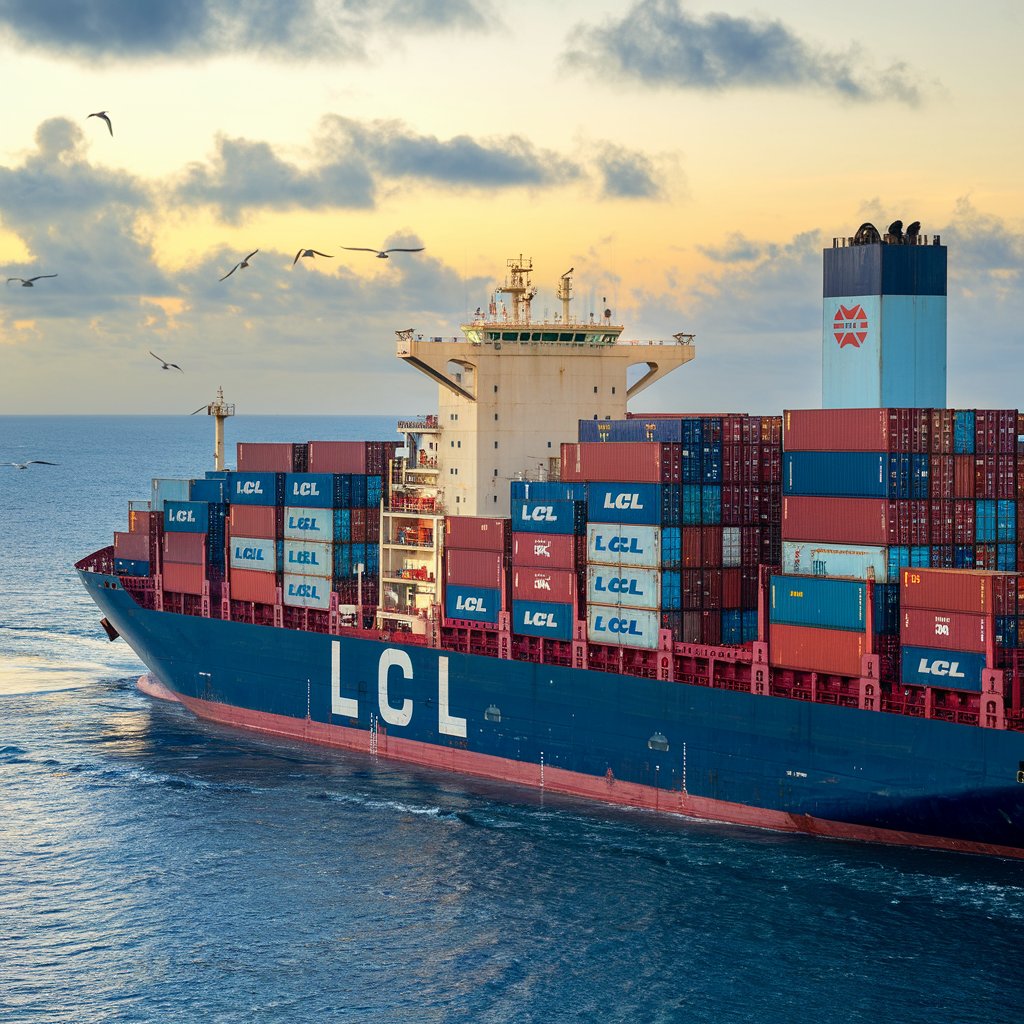
Can transportation costs always be transparent? Often in LCL shipments, unexpected fees and hidden costs become a problem that suddenly disrupts your budget. We live in a time where shippers can predict every step in the supply chain, but a single change alters the supplier’s capacity and they no longer consider adapting to your needs.
Tired of unexpected charges reducing your shipping budget? It would be wise to be aware of hidden fees to avoid unnecessary costs and stress. That is why it is beneficial to take the time to understand how to calculate LCL shipping costs and how to avoid unnecessary expenses in LCL shipments. Let’s explore this topic in our article!
What is LCL shipping?
When deciding how to ship goods, you usually face two main options: LCL (Less than Container Load) and FCL (Full Container Load). LCL means sharing container space with other shippers and paying only for the volume or weight your cargo occupies. FCL means booking the entire container for your cargo regardless of how full it is.
LCL is an ideal option for small shipments or when you want to save on initial costs, but it requires more complex handling because your cargo is consolidated with other shipments. FCL, on the other hand, is simpler and usually more cost-effective for large shipments, but it requires filling the entire container or a significant part of it.
Every additional transshipment or handling stage increases the likelihood of non-transparent costs. Let’s analyze them.
Hidden shipping costs
Planning a shipping budget with maximum cost transparency is an important skill for shippers. Understanding how to calculate LCL shipping costs also means being aware of potential hidden charges that may surprise you:
Consolidation
Consolidation charges are one of the first items of additional costs; if not confirmed in the contract, their value depends on the carrier and the origin/destination ports. Consolidation fees include packaging, sorting, and collecting cargo from multiple shippers.
Volumetric weight
Volume and weight are calculated, and whichever is higher—actual or volumetric weight—is used. Your cargo is large but light? This is called volumetric weight and may incur additional charges. For groupage shipments, check with the carrier whether there is a weight limit so they can inform you about possible extra costs for overweight. Make sure that either volumetric or actual weight is correctly stated in the bill of lading documents.
How is volumetric weight calculated? Multiply the length, width, and height of the cargo and divide by the standard divisor (6000 for air freight, 1000 for sea freight). The divisor may vary depending on the carrier—this is worth checking.
Operational costs
Applied for delivery to or from the port, loading/unloading, etc.
Documentation
Charges apply for document corrections when incorrect cargo descriptions, dimensions, or quantities are provided. Additional costs may arise for phytosanitary inspections and certification. On the other hand, penalties may apply if required customs documents are missing.
Demurrage & detention
These arise due to procedural or documentation delays and issues in the next stage of transport. Demurrage is charged for storage at the terminal beyond the allowed free time. Detention is charged for each additional day the cargo container is held beyond the agreed period. Check in advance the free storage time at destination and origin ports. Prepare documents in advance to avoid unnecessary delays and clearance waiting times at ports or customs.
Port or terminal charges
Terminal handling charges (THC), port security fees (applied per container entering or leaving the port), and documentation fees exist. Since LCL shipments are processed per shipment rather than per full container, they take longer and increase these costs.
Hazardous materials
LCL shipments are always subject to stricter safety measures because cargo is consolidated from different shippers, especially for dangerous goods. As a result, certification, additional handling, and special equipment for high-risk goods lead to higher costs.
Currency fluctuations
Do not forget to account for possible exchange rate changes in the cost of international LCL shipments. Protect yourself from currency risk by including potential fluctuations in your budget and negotiating terms with the carrier.
Choosing between LCL and FCL
Why are hidden costs more common in LCL shipments compared to FCL? The answer is simple: LCL requires more complex logistics operations. This increases the likelihood of unexpected charges.
FCL, on the other hand, can be arranged with a single clear agreement per container, making the process more transparent and simple.
When should LCL be chosen?
The shipment volume is small and does not fill a full container
You need to ship goods quickly with minimal upfront cost
A flexible option for small batches
When should FCL be chosen?
The shipment volume is enough to fill an entire container
You want to minimize the risk of damage to fragile goods
Preference for price transparency and logistical predictability
Be prepared for hidden costs in advance
Why is it so difficult to predict all hidden costs of LCL in advance? We have already seen many invisible factors that can suddenly affect your shipping budget, and this is not a complete list.
Tariff changes
Stay informed and compare carrier offers.
Cargo-specific characteristics
Consider cargo size, seasonal conditions, and special requirements.
Delays and unexpected situations
Track and plan route and timing changes.
LCL shipping contract checklist
1. Cargo description
Quick price query!
Fill out the form to get a special price offer for the services.