Complete guide to freight forwarding and customs clearance
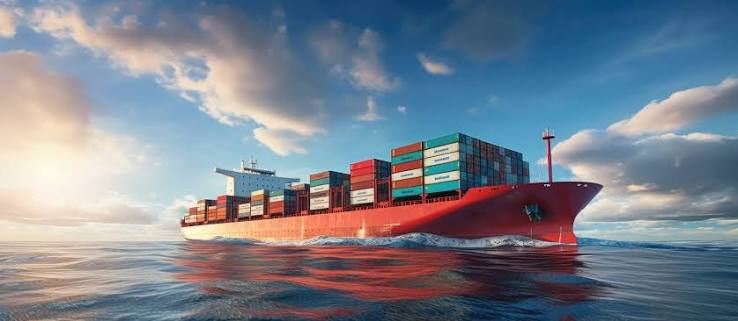 Complete Guide to Freight Forwarding and Customs Clearance
Freight forwarding and customs clearance are two essential components of international trade. These processes determine how quickly, safely, and legally goods can be transported from one country to another.
For importers, exporters, and especially warehouse companies that play a key role in the supply chain, understanding these processes is extremely important for maintaining compliance, improving competitiveness, and ensuring profitability.
In this guide, we will explain what freight forwarding and customs clearance are, how they work, and how they affect warehouse and logistics operations.
What Is Freight Forwarding?
Freight forwarding is the process of planning, organizing, and coordinating the transportation of goods from one location to another, especially across international borders.
A freight forwarder acts as an intermediary between the shipper and transportation providers such as ocean carriers, airlines, railway operators, and trucking companies.
Main Services Provided by Freight Forwarders:
- Booking cargo space with transportation providers
- Organizing shipments by sea, air, rail, and road transport
- Negotiating transportation rates to obtain more competitive prices
- Preparing documents such as Bills of Lading, export declarations, and other shipping paperwork
- Managing cargo insurance and transportation risks
- Providing shipment tracking services to ensure timely delivery
Simply put, a freight forwarder is a logistics partner responsible for delivering goods from point A to point B in the most efficient, secure, and cost-effective way.
What Is Customs Clearance?
Customs clearance is the process of ensuring that goods entering or leaving a country comply with all legal, tax, and regulatory requirements.
Every shipment crossing an international border must go through customs procedures. These procedures include:
- Submission of required documents
- Payment of customs duties and taxes
- Compliance with import and export regulations
Main Stages of Customs Clearance
1. Document Submission
Required documents usually include:
- Commercial invoices
- Packing lists
- Certificates of origin
- Permits and licenses
2. Cargo Classification and Valuation
This stage involves determining the correct customs code and declared value of the goods.
3. Payment of Duties and Taxes
All required customs fees, tariffs, and taxes must be calculated and paid.
4. Cargo Inspection
Customs authorities may perform risk-based or random inspections of shipments.
5. Cargo Release
After approval, goods are released and can be transported to warehouses or their final destination.
Incorrect customs clearance procedures can lead to delays, additional costs, penalties, or even the return of goods.
How Freight Forwarding and Customs Clearance Work Together
While freight forwarding focuses mainly on the efficient transportation of goods, customs clearance ensures that these goods legally enter or leave a country.
These two processes are closely connected. Many freight forwarding companies provide customs clearance services directly or cooperate with professional customs brokers.
When these processes are properly integrated:
- Delays at ports are reduced
- Financial penalties are avoided
- Supply chain management becomes more efficient
- Compliance with international trade regulations is ensured
Although freight forwarding and customs clearance are often invisible parts of logistics, they have a major impact on warehouse operations and international trade.
Proper management of these processes:
- Ensures continuous movement of goods
- Reduces operational costs
- Improves customer satisfaction
- Increases supply chain reliability
To succeed in international trade, companies must professionally manage not only transportation but also customs procedures, documentation, and logistics planning.
Quick price query!
Fill out the form to get a special price offer for the services.