Key logistics trends in 2026
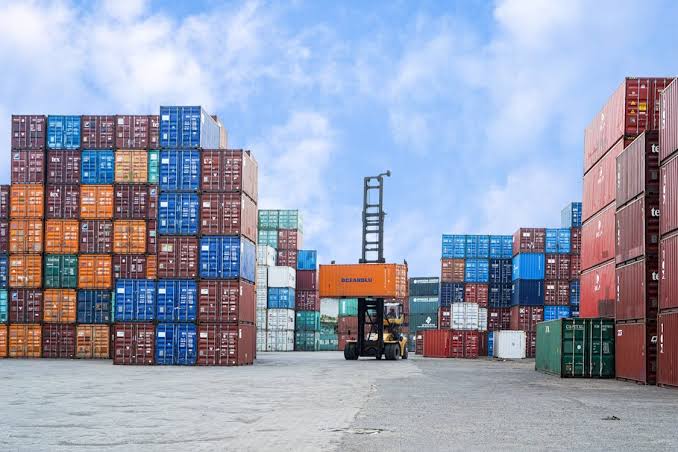
Logistics trends in 2026 are shaped by digitalization, automation, and sustainability. Artificial intelligence-based planning, regional supply strategies, digital twin applications, and integrated data platforms represent new approaches in the planning and management of logistics processes. Blockchain and autonomous vehicle technologies are also becoming increasingly important solutions used in logistics operations.
This article explores the key logistics trends emerging in 2026 and the areas companies are focusing on during this transformation.
1. Predictive and AI-Based Logistics Planning
Artificial intelligence and machine learning play an active role in demand forecasting, route planning, and transportation capacity management in finished goods logistics.
These systems analyze potential capacity limitations and possible delivery delays before they occur. Based on this data, companies select carriers, update delay scenarios, and adjust delivery schedules.
This approach allows companies to optimize costs and delivery times simultaneously during the planning stage.
2. Regionalization and Nearshoring
Challenges in global supply chains have led companies to reconsider long-distance sourcing models.
Manufacturers are moving toward regional networks and nearshoring strategies to bring production closer to their main markets.
These strategies:
- shorten transportation distances;
- reduce logistics costs;
- make supply chains more resilient against unexpected disruptions.
3. Digital Twins and Virtual Supply Chain Models
Companies use digital twin technologies to create virtual models of their supply chains and logistics networks.
Through these models:
- potential risk scenarios are evaluated;
- alternative routes are tested;
- capacity planning is performed without affecting real operations.
This approach improves decision-making processes and helps identify risks at an earlier stage.
4. Unified Data Platforms
Centralized digital platforms connect suppliers, carriers, warehouses, and customers within a single real-time data ecosystem.
Companies collect and consolidate information from multiple sources into one unified system.
This structure:
- increases supply chain visibility;
- prevents operational errors;
- enables more effective process control.
Logistics control towers manage shipments, inventory, and operational issues through a single interface.
5. Micro Fulfillment Centers and Urban Logistics
The growth of e-commerce is changing urban distribution models.
Manufacturers are implementing micro fulfillment centers located closer to customers.
These small and automated facilities:
- reduce delivery times;
- lower last-mile logistics costs;
- provide greater flexibility in order fulfillment.
6. Packaging Optimization and Sustainable Logistics
Companies consider packaging optimization as a strategic decision area.
Proper packaging:
- reduces transportation weight and volume;
- affects freight costs;
- lowers carbon emissions.
Green route planning, shipment consolidation, and environmentally friendly packaging materials are key components of sustainable logistics.
7. Blockchain Technology for Transparency and Security
Blockchain technology in logistics is based on storing transportation and operational data through a shared digital ledger.
This technology allows different stakeholders to access the same information and ensures data traceability throughout the process.
Blockchain-based solutions are used in areas such as:
- shipment tracking;
- document management;
- transaction verification.
This approach increases data security and reliability, especially for high-value and regulated products.
8. Autonomous Vehicles and Last-Mile Delivery Solutions
Autonomous trucks and delivery drones are currently being tested in limited applications within the logistics sector.
These technologies are mainly being explored in areas such as:
- last-mile delivery;
- operational speed improvement;
- cost reduction;
- development of new logistics models.
In 2026, the logistics sector is being shaped by AI-driven planning, regionalization, digital twins, integrated data platforms, and automation.
These trends require logistics to be evaluated not only from an operational efficiency perspective but also in terms of:
- process management;
- employee and quality performance;
- digital transformation;
- sustainability.
Competitive advantage in logistics increasingly depends on the effective integration of these elements into a unified management system.
Quick price query!
Fill out the form to get a special price offer for the services.