What is a customs declaration? A complete guide for import and export operations
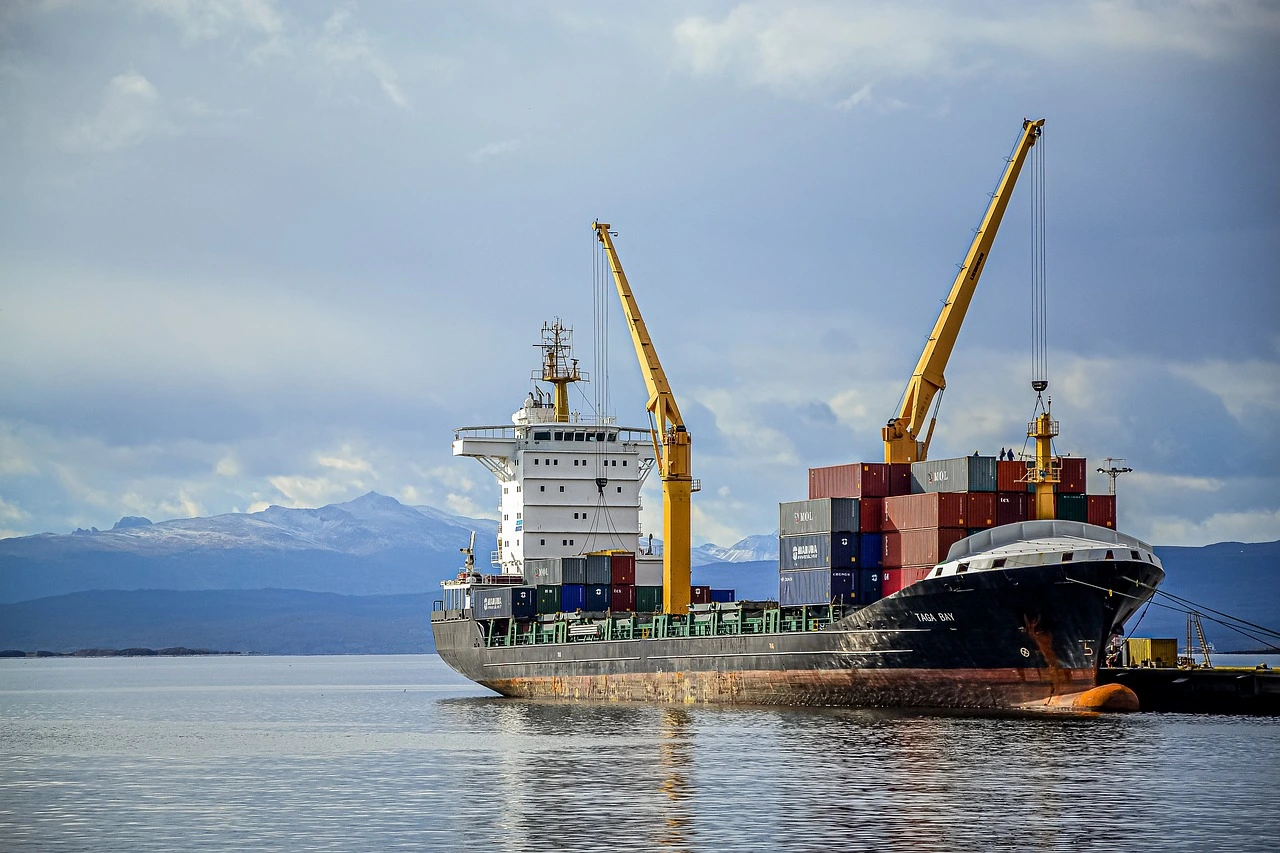
Understanding what a customs declaration is can directly impact the success of your import-export activities. This important procedure ensures compliance with international trade regulations, shortens customs clearance time, and prevents errors in tax calculations. A properly prepared customs declaration helps businesses save both time and costs.
In this article, you will learn what a customs declaration is, how it is prepared, the most common mistakes, and how to optimize the customs declaration process effectively.
What Is a Customs Declaration?
A customs declaration is the process of submitting detailed information about imported or exported goods to customs authorities.This information allows customs authorities to:
- control the movement of goods;
- verify compliance with legal regulations;
- accurately calculate duties and taxes.
Main Components of a Customs Declaration
A complete and correctly prepared customs declaration should include the following information:- Name of the goods;
- Quantity;
- Weight;
- Unit of measurement;
- Value of goods (FOB, CIF, or other trade terms);
- HS Code (Harmonized System Code);
- Country of origin;
- Importer or exporter information;
- Transportation details.
Why Is a Customs Declaration Important?
A customs declaration is not only an administrative procedure. It provides several important advantages for businesses.Ensuring Compliance with Regulations
A properly prepared customs declaration helps companies operate in accordance with import and export laws.This helps to:
- reduce legal risks;
- prevent penalties;
- avoid problems during inspections.
Accurate Tax Calculation
Based on the customs declaration, the following payments are calculated:- Import duties;
- Export duties;
- VAT (Value Added Tax);
- Excise tax (if applicable).
Accelerating Customs Clearance
Properly prepared documents allow goods to pass through customs in a shorter period of time.This helps reduce additional costs such as:
- warehouse fees;
- terminal charges;
- container delay fees;
- logistics-related delays.
Supporting Risk Management
Customs authorities conduct risk assessments based on submitted declarations.Companies that consistently comply with regulations are usually classified as lower-risk businesses, and their shipments can be processed faster.
Customs Declaration Preparation Process
Currently, customs declarations are submitted in two main ways:- Electronic customs declaration;
- Paper-based (manual) declaration.
1. Preparing Required Documents
Before submitting a customs declaration, the following documents should be prepared:- Commercial Contract;
- Commercial Invoice;
- Packing List;
- Bill of Lading (B/L) or Air Waybill (AWB);
- Certificate of Origin (C/O);
- Special permits and certificates (when required).
2. Electronic Customs Declaration
The electronic customs declaration process consists of the following steps:Step 1: Creating an Account
Businesses need to:- register in the electronic customs system;
- obtain a digital signature;
- install the required software.
Step 2: Entering Information
At this stage, businesses must:- complete all declaration fields;
- attach electronic documents;
- carefully check the information.
Step 3: Submitting the Declaration
After receiving the declaration, the system classifies it according to the risk level.Usually, there are three main channels:
Green Channel — Goods are released without additional inspection.
Yellow Channel — Documents are reviewed before clearance.
Red Channel — Both documents and physical goods are inspected.
Step 4: Paying Taxes and Duties
The calculated amount provided by the system must be paid.Step 5: Receiving Clearance Approval
After customs clearance is completed, the system sends a release notification.Customs Declaration Software and Support Systems
Today, various software solutions help businesses manage electronic customs declaration processes.The main systems include:
Electronic Customs Systems
Official electronic customs systems allow businesses to:- submit declarations electronically;
- confirm documents using digital signatures;
- receive updates on regulatory changes;
- perform automatic data verification.
ERP and CRM Systems
Modern business management software helps automate customs processes.These systems:
- integrate internal business data with customs software;
- reduce data entry errors;
- minimize time loss.
A properly prepared customs declaration:
- ensures legal compliance;
- speeds up customs procedures;
- reduces additional costs;
- minimizes business risks.
This approach creates a strong foundation for sustainable business growth in international trade.
Quick price query!
Fill out the form to get a special price offer for the services.