The Role of Digital Technologies in Modern Logistics: A New Era of Freight Transportation
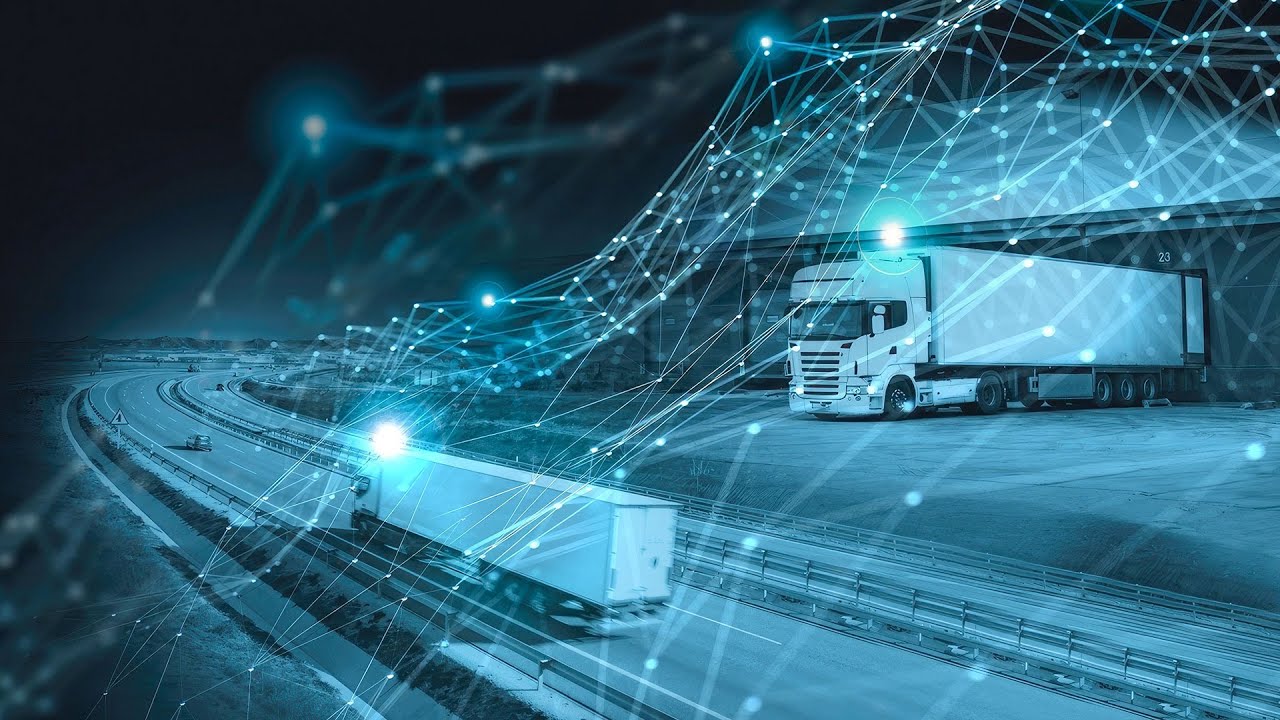 The transportation and logistics industry is undergoing a major digital transformation driven by rapid technological development, changing customer expectations, and the growing need for more efficient and sustainable operations. Digitalization is reshaping the entire supply chain, including the processes of transporting, storing, and delivering goods, while increasing transparency, reducing costs, and improving operational efficiency.
One of the key technologies driving the development of modern logistics is the Internet of Things (IoT). This technology enables real-time monitoring of shipments, vehicles, and other assets. Connected sensors provide valuable data for route optimization, predictive maintenance, and improving overall operational performance.
Artificial Intelligence (AI) and Machine Learning (ML) are also creating significant changes in the logistics sector. These technologies enable more accurate demand forecasting, automated warehouse management, and predictive analytics. As a result, companies can make better decisions, use resources more efficiently, and reduce ineffective processes.
Blockchain technology contributes to improving transparency and security within supply chain operations. By ensuring data integrity, reducing the risk of fraud, and simplifying document verification processes, blockchain helps create more reliable and efficient logistics networks.
Big Data and analytics also play an important role in the development of digital logistics. These technologies provide opportunities to optimize routes, analyze driver behavior, identify potential delays in advance, and improve operational planning. Data-driven strategies allow companies to make more strategic business decisions and gain competitive advantages.
Autonomous vehicles and drones are among the technologies creating major changes, especially in last-mile delivery. Self-driving freight vehicles and drone technologies help reduce dependence on human labor, lower operational costs, and increase delivery speed. Cloud technologies, meanwhile, enable seamless collaboration between logistics stakeholders, simplify access to information, and accelerate the integration of different logistics systems.
One of the main advantages of digital transformation is improved visibility and transparency throughout the supply chain. Real-time tracking systems and predictive analytics allow companies to better understand operational processes, identify potential issues in advance, and manage logistics activities more effectively.
Digitalization also plays a significant role in reducing costs. Automation, artificial intelligence-based optimization, and data analytics enable companies to use resources more efficiently. As a result, delivery times are shortened, service quality improves, and customer satisfaction increases.
Sustainability is another important area influenced by digital transformation. Optimized routes, environmentally friendly fleet management, and intelligent logistics planning help reduce fuel consumption and carbon emissions. Companies using digital solutions can achieve environmental objectives while improving overall operational efficiency.
Although technologies play a leading role in transforming the logistics sector, the human factor remains equally important. Warehouse employees, transportation specialists, and logistics managers must adapt to new digital systems and develop modern professional skills.
Digital transformation creates both challenges and new opportunities for the workforce. While automation may reduce the need for some traditional manual tasks, it also creates new career opportunities in areas such as data analytics, digital system management, and technology-based logistics planning.
Investing in workforce development is essential. Companies should provide training and reskilling programs to help employees successfully operate in a digital environment. The cooperation between humans and technology will become one of the key principles of future logistics. Technology should not be viewed as a replacement for human capabilities, but as a tool to enhance decision-making and improve performance.
Despite its advantages, digital transformation in transportation and logistics also involves several challenges. One of the main barriers is the high initial investment required for implementing new technologies. Companies need to invest in infrastructure, software solutions, and employee training to fully integrate digital systems.
Cybersecurity risks are another major concern. Increased digital connectivity can make logistics companies more vulnerable to data breaches and cyberattacks. Therefore, protecting information, strengthening security systems, and complying with regulatory requirements are critical aspects of successful digital transformation.
Future development in logistics will be strongly influenced by technologies such as 5G, Digital Twins, and hyperautomation. The implementation of 5G will provide faster and more reliable connectivity, improving real-time data exchange and remote management capabilities. Digital Twins will allow companies to create virtual models of physical supply chains, enabling them to simulate and optimize processes before actual implementation. The combination of artificial intelligence, machine learning, and Robotic Process Automation (RPA) will further accelerate logistics operations and reduce the need for manual intervention.
Digital transformation in transportation and logistics is no longer an option but a necessity. Companies that adopt innovative technologies will gain competitive advantages, improve operational efficiency, and respond more effectively to the growing demands of the digital economy.
However, digital transformation is not only about technology. Its success depends on the human factor, effective leadership, employee development, and strategic planning. Investing in the right digital tools while keeping people at the center of transformation will help ensure long-term sustainability and success in the logistics industry.
Quick price query!
Fill out the form to get a special price offer for the services.