The Impact of Artificial Intelligence and Automation on the Future of the Logistics Industry
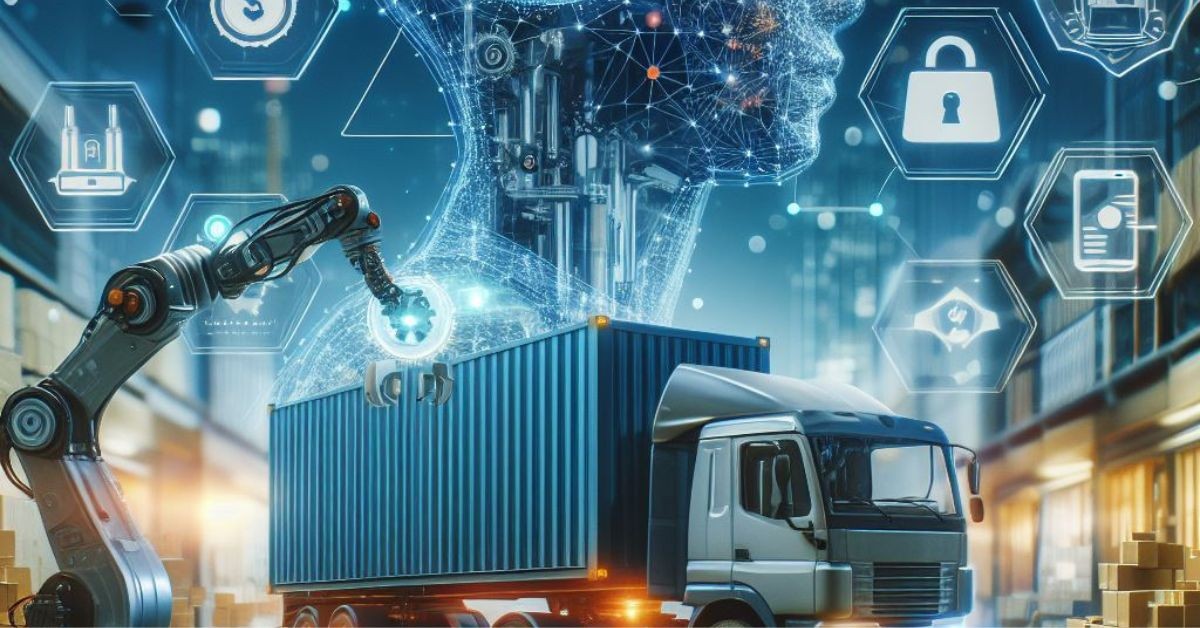 The role of Artificial Intelligence (AI) in optimizing logistics and supply chain management is no longer just a concept of the future. Today, it is a real technology that is actively transforming the industry, improving operational efficiency, reducing costs, and enabling companies to make faster and more accurate decisions.
Artificial Intelligence has become one of the key development areas in modern logistics. This technology is no longer a distant possibility; it is a practical solution that is changing daily logistics operations, helping companies gain competitive advantages and adapt to the demands of the global market.
The capabilities of artificial intelligence cover a wide range of areas, from accurate demand forecasting to intelligent warehouse management, transportation optimization, order allocation, and automated decision-making processes.
Modern logistics companies are increasingly using AI technologies to improve their operations. These solutions enable demand forecasting, optimization of transportation and warehouse activities, real-time product tracking, identification of product locations and conditions, and early detection of possible delays.
Artificial intelligence systems help logistics professionals calculate delivery times more accurately, select the most efficient transportation options, and respond faster to supply chain disruptions. For example, in cases of road incidents, unfavorable weather conditions, or supplier delays, AI systems can suggest alternative solutions to maintain continuous operations.
Generative Artificial Intelligence (GenAI) is one of the technologies expected to play a major role in the future development of logistics. It can improve existing planning systems, automate repetitive processes, and provide valuable analytical insights that support supply chain development.
The future of artificial intelligence in logistics will develop mainly in several key areas. The first area is intelligent warehouse management. Companies use AI to increase productivity, analyze consumer trends, prevent inventory shortages, and optimize workflows for both employees and automated mobile robots.
Artificial intelligence and robotics create significant competitive advantages in logistics. Therefore, companies need to understand and effectively apply AI capabilities in order to maximize the benefits of automation solutions and adapt to changing market requirements.
The second important area is order allocation and delivery. Artificial intelligence helps assign loads to transportation vehicles, balance delivery networks, and optimize routes, reducing last-mile delivery costs. As a result, orders are completed faster and more reliably, while customer satisfaction increases.
The third area is the automation of strategic decision-making. Artificial intelligence analyzes large volumes of real-time data, including traffic conditions, demand levels, and inventory information, helping companies make smarter decisions in logistics operations.
AI can automatically optimize distribution network design, capacity planning, and inventory management. As a result, supply chains become more flexible and capable of responding quickly to market changes.
AI agents and Generative AI are among the most promising technologies shaping the future of logistics. AI agents are autonomous systems capable of performing tasks and making decisions within supply chains. They can support contract negotiations, redistribute goods between distribution centers, notify drivers and customers about possible delays, and reroute orders to maintain delivery schedules.
Generative Artificial Intelligence can create text, images, videos, and other digital content. In logistics, this technology can be used to prepare inventory reports, create more efficient warehouse layouts, and accelerate operational analysis.
AI-powered Warehouse Management Systems (WMS) represent a new stage in logistics development. The integration of machine learning and generative AI transforms these platforms from simple data management systems into intelligent decision-support tools.
Modern AI-based warehouse management systems provide dynamic routing, more accurate demand forecasting, and natural language-based control capabilities. This makes warehouse operations faster, more flexible, and more efficient.
Artificial intelligence is applied across various areas of logistics. In demand planning, AI analyzes historical and real-time data to predict future product requirements. Performance analytics helps identify patterns and trends in operational data. Scenario modeling allows companies to simulate possible situations and make better decisions before implementing changes.
In order management and delivery processes, artificial intelligence enables automatic inventory replenishment, transportation route optimization, and selection of the most suitable fulfillment locations. This approach reduces delivery times, minimizes errors, and improves logistics cost efficiency.
In the future, artificial intelligence will play an important role in the development of robotic systems, predictive maintenance, and computer vision technologies. Machine learning will help identify potential equipment failures before they occur, while computer vision will enable robots to analyze their environment and perform operations with greater accuracy.
Artificial intelligence is one of the key drivers shaping the future of logistics. Automation of processes, route optimization, demand forecasting, and real-time data analysis are creating fundamental changes across the industry.
In the future, AI will make logistics more efficient, sustainable, and adaptable. A significant portion of operational decision-making will become automated, new business models will emerge, and customer experiences will continue to improve.
This transformation represents a new stage in the creation, management, and expansion of global supply chains. Artificial intelligence and automation will become some of the most important forces shaping the future of the global logistics industry.
Quick price query!
Fill out the form to get a special price offer for the services.