Key Stages of International Ocean Freight Shipping
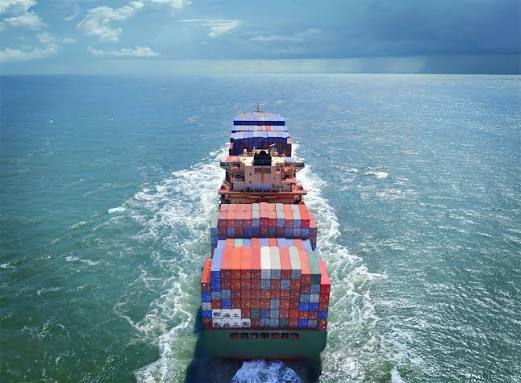
Shipping internationally can seem like a complicated process, especially for first-time shippers. Understanding each stage of the shipping journey can help businesses prepare their cargo properly, avoid unnecessary delays, and manage transportation costs more effectively.
From export haulage and customs clearance to ocean transportation and final delivery, international shipping involves several important steps. This guide explains the key stages of the international ocean freight process and highlights important factors to consider when shipping cargo overseas.
1. Export Haulage
Export haulage is the first stage of the international shipping process. Once the booking has been confirmed and all terms have been agreed upon, the cargo pickup is scheduled.The freight is usually collected by the freight forwarder and transported by road to the ship-from warehouse.
At the warehouse, the cargo is unloaded by the assigned personnel, prepared for export, and booked onto the next available vessel.
At this stage, the freight forwarder receives the vessel name and ETA (Estimated Time of Arrival) and provides this information to the customer.
2. Export Customs Clearance
When shipping cargo internationally, there are generally two main customs processes:- Export customs clearance after the goods have been collected.
- Import customs clearance after the goods arrive in the destination country.
One of the key documents required for customs clearance is the Commercial Invoice.
When placing a shipping booking, customers may be required to complete the Commercial Invoice online. Providing complete and accurate information is extremely important, as missing or incorrect details can result in customs delays.
3. Origin Handling
Origin handling refers to the process of moving the cargo from the ship-from warehouse to the vessel that will transport it to the destination country.The process is coordinated by the freight forwarder and may involve several different parties.
Once the cargo has been received and inspected, it is prepared for shipment and may be consolidated with other consignments into a container.
The container is then prepared for loading onto the vessel and transportation by sea.
4. Ocean Freight
Once the container has been loaded onto the vessel, the ship departs from the origin port and begins its journey to the destination port.Depending on the final destination, ocean freight transportation can take approximately 7 to 65 days.
Customers are typically provided with the vessel name and tracking information, allowing them to monitor the shipment during its journey across the ocean.
Services provided up to this stage may be included in door-to-port or door-to-door shipping services.
If a door-to-port service has been booked, additional charges may apply once the cargo reaches the destination port. These may include:
- Local port and handling charges
- Destination customs clearance
- Customs duties
- Import taxes
- Final delivery charges
5. Import Customs Clearance
Import customs clearance is an essential part of the international shipping process. Depending on the destination and shipping arrangements, the process may take place before the cargo leaves the origin country or after it arrives at the destination.The costs associated with import customs clearance are generally the responsibility of the consignee.
The clearance process can be handled by:
- The freight forwarder
- An agent appointed by the freight forwarder
- A customs broker selected by the consignee
6. Destination Handling
Destination handling includes unloading the container from the vessel and removing the cargo from the container.Additional handling charges may apply when the shipment arrives in the destination country.
These costs may be paid by either the sender or the receiver, depending on the agreed shipping terms. However, applicable charges must generally be settled before the cargo can be released to the consignee.
7. Import Haulage
Import haulage is the final stage of the transportation process. It involves delivering the cargo from the destination port or warehouse to the consignee.Depending on the destination country and the terms agreed upon during booking, the freight forwarder may arrange final delivery directly to the receiver's address.
This completes the international shipping journey, from the initial collection of the cargo to its final delivery.
Improve Your International Shipping Process and Grow Your Business
Planning an international shipment can be challenging, especially for first-time shippers.Many businesses initially focus on finding the lowest shipping price. However, cost is only one factor to consider when selecting an international freight service.
Other important factors include:
- Taxes and customs duties
- Shipping terms
- Service types
- Transit times
- Packaging requirements
- Customs procedures
- Final delivery arrangements
The Benefits of Working With a Freight Forwarder
A professional freight forwarder can provide valuable support, particularly for businesses that are new to international shipping.One of the biggest advantages of working with a freight forwarder is access to professional information and guidance.
Based on your budget, cargo type, destination, and delivery requirements, a freight forwarder can provide several shipping alternatives and help you choose the option that best meets your needs.
In addition to competitive transportation rates, an experienced freight forwarder can provide valuable information about the logistics and transportation industry.
This can be particularly beneficial if your business plans to become a regular international shipper.
Understand Your International Shipping Service Options
In addition to understanding the different stages of the transportation process, customers should become familiar with the types of shipping services available.Depending on their requirements, businesses may choose from options such as:
- Door-to-door shipping
- Door-to-port shipping
- Port-to-port shipping
- Multimodal transportation solutions
Preparing Your Pallet for International Shipping
Another important aspect of international freight transportation is proper pallet preparation.Based on industry experience, many first-time shippers have questions about how to prepare their pallets correctly.
Proper pallet preparation is essential for protecting cargo during transportation and reducing the risk of damage.
Effective packaging and palletization can provide several benefits, including:
- Keeping cargo stable during transportation
- Reducing the risk of product damage
- Making loading and unloading easier
- Improving warehouse space utilization
- Supporting safe delivery to the final destination
International ocean freight is much more than simply moving cargo from one port to another. It involves several important stages, from export haulage and customs clearance to ocean transportation, destination handling, and final delivery.
Proper planning, accurate documentation, selecting the right shipping service, and working with an experienced freight forwarder can make international transportation safer, faster, and more efficient.
For businesses shipping internationally for the first time, professional logistics support can be particularly valuable. The right freight forwarding partner can help manage customs procedures, transportation costs, documentation, and potential delays while ensuring that cargo reaches its destination safely and efficiently.
Quick price query!
Fill out the form to get a special price offer for the services.