Which Is the Most Cost-Effective Freight Transport Option?
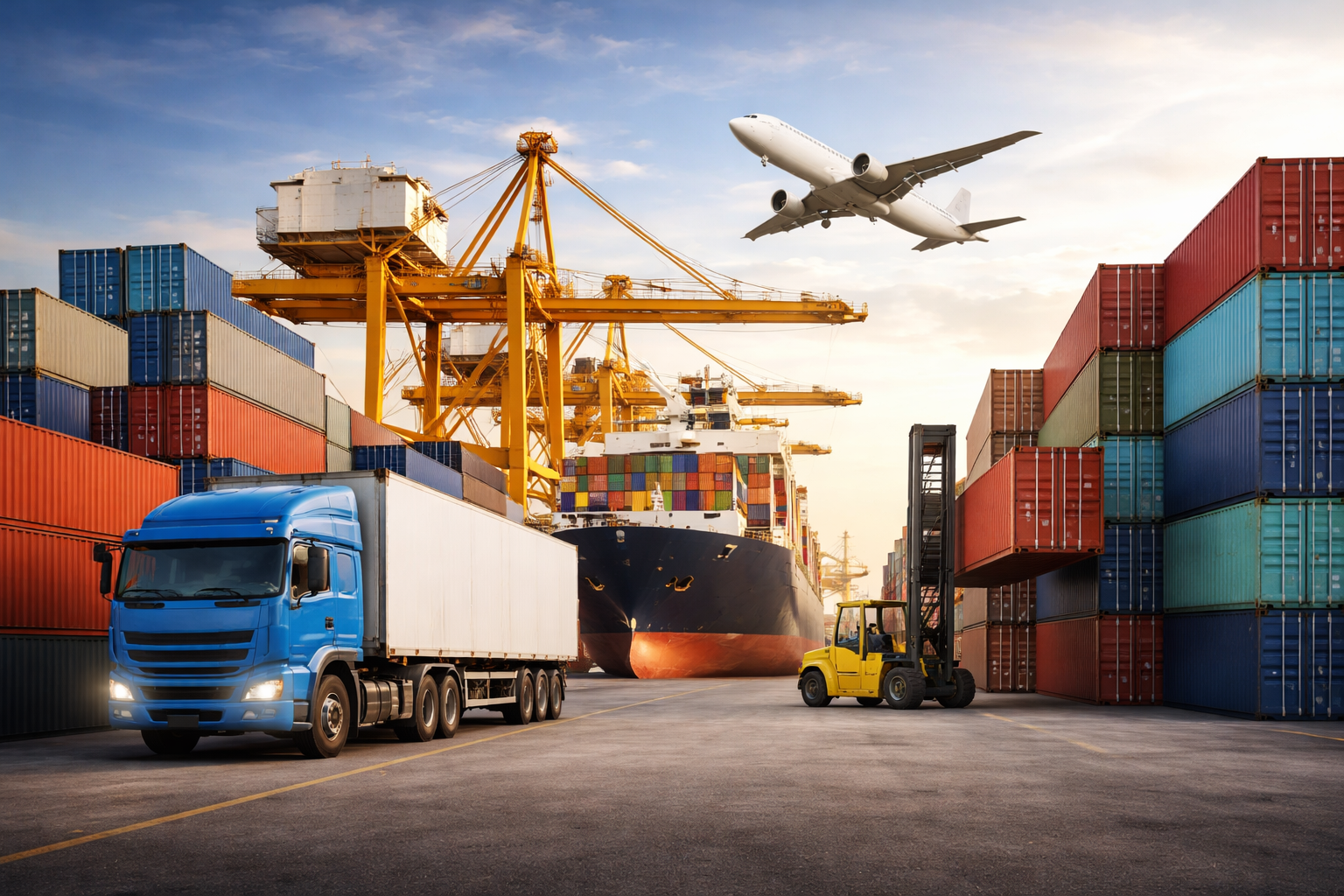
Choosing the most cost-effective freight transport option is essential for businesses looking to optimise logistics expenses and reduce operational costs. The right transport method depends on several factors, including cargo volume, distance, route, shipping rates, delivery time, and the nature of the goods.
Road, rail, air, and sea freight each offer different advantages. Therefore, businesses should focus not simply on finding the cheapest option, but on selecting the most efficient and cost-effective logistics solution for their specific shipment.
Road Freight
For short and medium-distance shipments, road freight is one of the most flexible and widely used transport solutions. Trucks provide greater flexibility in route planning and allow goods to be delivered directly from the point of origin to the final destination.This can reduce the need for intermediate warehouses and distribution centres, helping businesses avoid additional handling and storage costs. However, fuel prices, toll fees, and vehicle utilisation can significantly affect the overall cost of transportation.
Rail Freight
For long-distance and high-volume shipments, rail freight can be an economical alternative. Trains can transport large quantities of goods while consuming relatively less fuel per tonne.Although rail transport is less flexible than road freight, combining rail with road transportation through an intermodal transport strategy can improve efficiency and reduce overall logistics costs.
Sea Freight
For international shipping, particularly for heavy and high-volume cargo, sea freight remains one of the most cost-effective solutions. Low transportation costs per unit make container shipping particularly suitable for large shipments that do not require urgent delivery.However, sea freight generally involves longer transit times. Delays may also occur due to port congestion, customs procedures, and other operational factors.
Air Freight
Air freight is the fastest but also one of the most expensive methods of transporting goods. It is particularly suitable for urgent, high-value, or time-sensitive shipments where speed is more important than transportation cost.Due to the high cost per kilogram, air freight is generally less suitable for large shipments unless rapid delivery is essential.
How Can You Reduce Freight Transport Costs?
Optimise Route Planning and Load Management
Reducing freight transport costs starts with effective route planning. Analysing traffic conditions, fuel consumption, distance, and delivery schedules helps businesses identify more efficient routes.Maximising vehicle capacity is equally important. Shipment consolidation and efficient load planning can help distribute transportation costs more effectively and reduce the cost per unit of cargo.
Leverage Technology and Strategic Partnerships
Modern logistics technologies, fleet management systems, and real-time shipment tracking can help reduce delays, fuel consumption, and administrative costs.Long-term partnerships with reliable carriers and logistics providers can also provide access to more competitive rates and stable transportation terms.
Embrace Sustainable Logistics Solutions
Sustainability is not only an environmental responsibility; it can also contribute to long-term cost reduction. Fuel-efficient vehicles, alternative energy solutions, and carbon-reduction initiatives can improve operational efficiency and reduce expenses.For international shipments, efficient customs procedures are also important for reducing unnecessary delays, administrative costs, and overall transportation expenses.
What Is the Cheapest Way to Transport Freight?
The cheapest way to transport freight depends on cargo volume, distance, delivery time, and the selected mode of transport.In general, for large shipments over long distances, especially when delivery is not time-sensitive, sea freight remains one of the most economical options.
For domestic and regional shipments, rail and road freight can provide cost-effective alternatives. Road transport offers greater flexibility and accessibility, while proper load utilisation and route optimisation can further reduce costs.
Businesses can also use intermodal and multimodal transport strategies, combining road, rail, and sea freight to take advantage of the strengths of each transport mode. This approach can help optimise overall logistics costs while maintaining an efficient delivery process.
Quick price query!
Fill out the form to get a special price offer for the services.